You step outside on a frosty Northwich morning, take a breath, and there it is. A sharp little zing in one of your teeth that wasn’t there in August.
It’s one of those things people tend to keep to themselves. They assume it’s just the cold, or just getting older, and carry on wincing every time they open their mouth at the bus stop.
Sometimes it really is just the cold. Sometimes your teeth are trying to tell you something. Here’s how to tell the difference, plus a few simple habits that make winter a lot kinder on your mouth.
Black Friday & Christmas offer
Professional teeth whitening for £250
A brighter smile in time for Christmas and the new year, carried out by our dental team on Witton Street, Northwich.
Find out about teeth whiteningOffer ends 31 December 2026. Subject to a dental assessment to make sure whitening is suitable for you. Over 18s only. Call 01606 44394 to book.
Why do my teeth hurt in cold weather?
Underneath the hard enamel on the outside of your teeth is a softer layer called dentine. It’s full of tiny channels that lead towards the nerve. While it stays covered, you don’t feel much. Once it’s exposed, cold air and cold drinks can travel straight through to the nerve, and that’s the zing.
Dentine usually gets exposed in a few common ways:
- Gums that have pulled back from the teeth
- Enamel worn down by grinding or brushing too hard
- Acid from fizzy drinks, fruit juice or wine
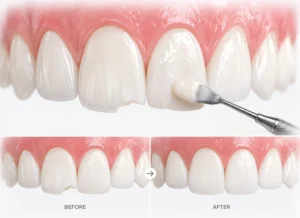
- A crack, a chip or an old filling that’s started to leak
So the cold isn’t really the cause. It just shows up a problem that was already there.
Winter oral health tips that actually help
1. Switch to a sensitive toothpaste (and don’t rinse it away)
A toothpaste made for sensitive teeth can calm things down, but it needs a couple of weeks of use twice a day to work. After brushing, spit out the excess and don’t rinse with water. Leaving a little on your teeth lets it keep working.
2. Ease off the scrubbing
Brushing harder doesn’t clean better. Hard bristles and a heavy hand wear away enamel and push gums back over time. A soft brush, gentle circles and two full minutes do far more good.
3. Breathe through your nose when you can
Breathing cold air through your mouth hits sensitive teeth directly. A scarf over your mouth on bitter mornings helps more than you’d think.
4. Keep your mouth from drying out
Winter is cold and flu season, and a blocked nose means breathing through your mouth all night. Central heating dries the air out too. Saliva is your mouth’s natural defence against decay, so a dry mouth is more vulnerable. Keep a glass of water by the bed and sip through the day.
5. Check the sugar in your cold remedies
Plenty of cough syrups and throat sweets are loaded with sugar, and sucking lozenges all day bathes your teeth in it. Look for sugar-free versions where you can.
6. Watch the grazing over Christmas
It’s not just how much sugar you eat. It’s how often. A box of chocolates picked at all afternoon does more damage than the same amount eaten after a meal, because your teeth never get a break from the acid. Enjoy the treats (it’s Christmas), just try to keep them to mealtimes.
7. Wear a mouthguard for winter sports
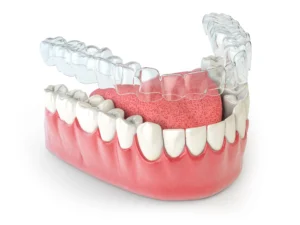
Rugby, hockey and five-a-side are in full swing, and a knock to the mouth on a cold pitch is one of the most common ways teeth get chipped or broken. A custom-made sports guard fits properly and protects far better than a boil-and-bite one from a shop.
8. Don’t put off your hygiene appointment
The run-up to Christmas gets busy and check-ups slip down the list. A visit to the hygienist before the festive season means any early gum problems get picked up before they turn into something painful in January.
Cold sores and dental appointments
Cold weather and being run down can set off cold sores. If you have one when you’re due to see us, give us a ring first. It’s usually best to rearrange until it’s healed, both for your comfort and because cold sores spread easily.
When should you see a dentist about winter tooth sensitivity?
A quick twinge from an ice-cold drink that disappears straight away is usually nothing to worry about. Book an appointment if you notice any of these:
- Sensitivity that lingers for more than a few seconds after the cold has gone
- Pain when you bite down
- Sensitivity in one tooth only, especially if it’s new
- Throbbing pain that keeps you awake
- Swelling in your gum or face
Those can point to decay, a cracked tooth or an infection, and they’re much easier to treat early. If you’re in pain, call us on 01606 44394 and we’ll do everything we can to see you quickly. Our emergency dentist page explains what to do in the meantime.
If your face is swelling and it’s affecting your breathing or swallowing, call 999 or go to A&E straight away.
A winter check-up is a good idea
Most winter tooth trouble is easy to sort once someone has had a proper look. If your teeth have been complaining about the cold this year, there’s no need to keep wincing your way through to spring. Call us on 01606 44394 or get in touch, and we’ll find out what’s going on.