
What Is a Root Canal and Why Would I Need One?
Root canal treatment is used when the inner part of a tooth gets infected or inflamed. This part, called the pulp, holds the nerves and tissue that feed the tooth from the inside. Once it becomes damaged, even light pressure or temperature can cause unbearable pain.Special Offer
Black Friday & Christmas offer
Professional teeth whitening for £250
A brighter smile in time for Christmas and the new year, carried out by our dental team on Witton Street, Northwich.
Find out about teeth whiteningOffer ends 31 December 2026. Subject to a dental assessment to make sure whitening is suitable for you. Over 18s only. Call 01606 44394 to book.
- Throbbing or dull pain that doesn’t seem to calm down
- Sharp aches when chewing or biting down
- Sensitivity to hot or cold that lingers longer than usual
- Swelling or tenderness around your jaw or gums
What Does a Root Canal Endodontist Actually Do?
A general dentist can carry out root canals, but sometimes the case needs more precise work. That’s where a root canal endodontist comes in. This type of specialist focuses on the soft tissue inside teeth and is often called in when the infection is deep, or when a tooth is especially tricky to repair. A root canal endodontist knows how to work with narrow canals, curved roots, or teeth that have already been repaired before. They use tools and methods designed for these small, hidden spaces. Their main goal is to clean away infection and keep the natural tooth intact if possible. If you’ve been referred to a root canal endodontist, it usually means the tooth has a chance but needs extra attention to be saved properly. They’ll take scans, explain the steps, and focus on solving the problem in a way that feels stable and lasting. At Brunner Court Dental & Implant Practice, our clinicians use digital x-rays and modern rotary instruments for efficient and precise root canal treatments.Can a Tooth Really Be Saved or Will I Still Lose It?
It’s normal to wonder if the tooth is past fixing. But not every painful or damaged tooth needs to come out. Root canal treatment is often used to treat:- Deep decay that hasn’t reached the gums
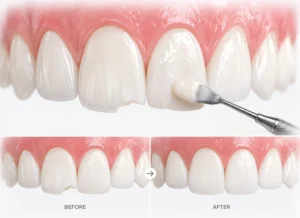
- A crack or chip that allows bacteria to enter the pulp
- Old fillings that have failed and allowed infection in
- Injuries where the tooth was knocked or twisted
What to Expect with Treatment and Recovery in Early Spring
Root canal treatment usually happens over one or two appointments. The first visit involves cleaning the inside of the tooth and removing the pulp. Then the open area is shaped and filled with a seal to protect it. If needed, a crown or cap is added later to give extra strength. Spring tends to be a good time for this kind of dental care since the weather is more stable and the colder edge of winter has passed. For people in Northwich, Winsford, or around Chester, the longer daylight and drier roads make it easier to fit in follow-up visits and allow rest after treatment. During recovery:- The area may feel a little sore, but most people manage it with basic over-the-counter pain relief
- It helps to eat softer foods for a few days, allowing the area to settle
- Take it easy on chewing anything hard until the final cap or crown is placed