When a Tooth Needs to Be Removed Quickly
Not every toothache turns into an emergency, but some do, and they can develop rapidly. Knowing the difference between general discomfort and a more urgent problem helps you act in time.- Sharp or throbbing pain that doesn’t go away might point to nerve damage or infection.
- Swelling in your face or gums could mean there’s an abscess forming under the surface.
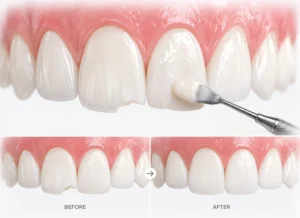
- If the tooth feels loose when it shouldn’t, or you’ve chipped a big piece away in an accident, it probably needs immediate attention.
What Happens During an Emergency Dental Visit
When you walk in with serious discomfort, everything starts with getting the full picture. Whether you booked ahead or called with a last-minute problem, there’s usually a quick series of steps to understand what’s causing the issue.- First, you’ll be asked questions about the pain, how long it’s lasted, and how it feels.
- Then dentists typically check the area and take an x-ray if needed. This shows what’s going on beneath the surface.
- Once they review everything, they’ll explain whether the tooth should come out straight away or if another step can be taken first.
The Extraction Process: Step-by-Step
When it’s time to remove the tooth, the procedure is quicker and simpler than most people expect. Numbing the gum completely is one of the first steps, and for most people, that means the worst discomfort is over before the work even starts.- A local anaesthetic is injected into the area around the tooth to block pain.
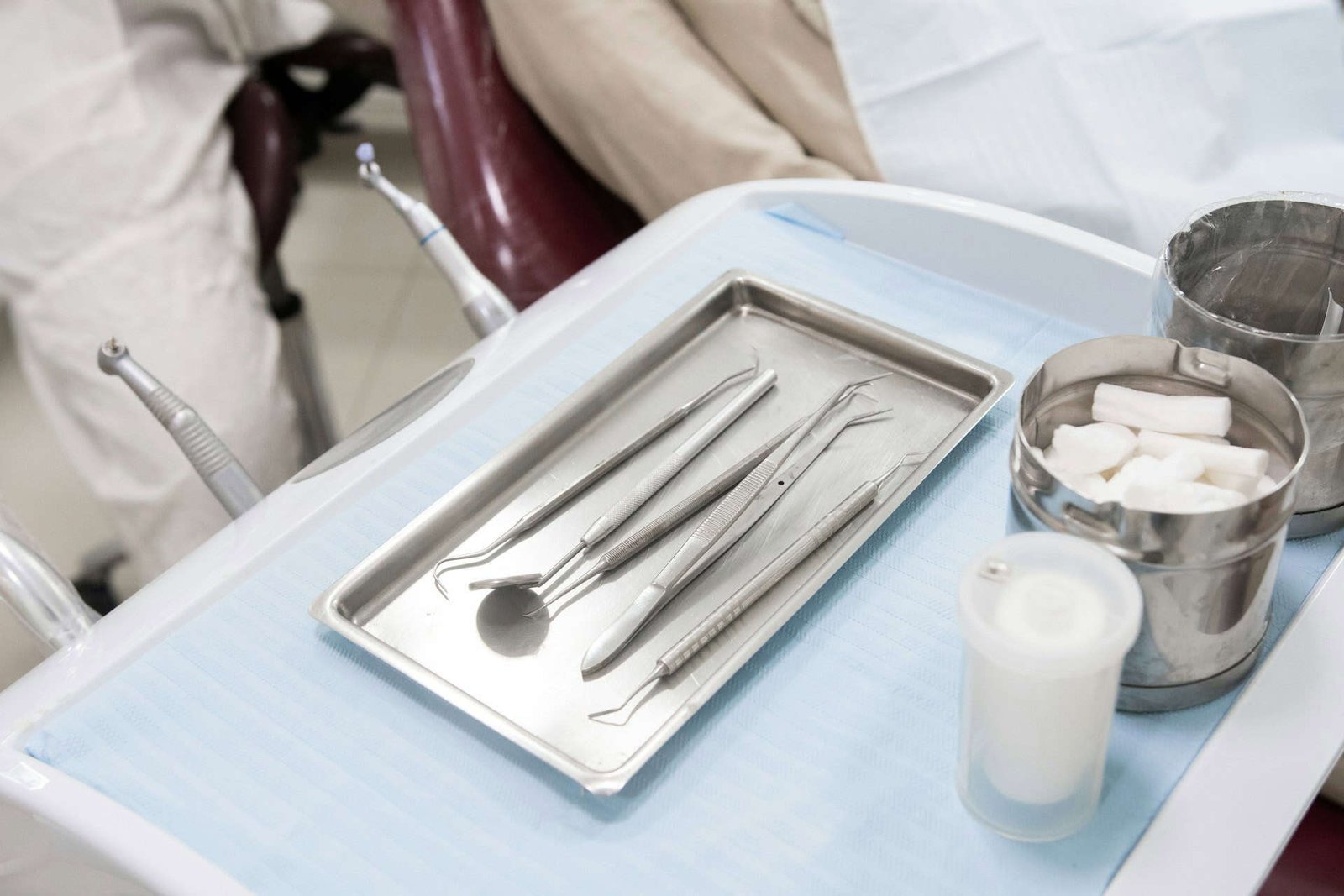
- Once the gum and jaw are numb, special instruments are used to gently loosen the tooth.
- The dentist then removes it using a steady grip, working slowly to protect the surrounding area.
Aftercare Tips for a Winter Recovery
Once the numbness fades, it’s time to start healing. Cold weather can make people more prone to staying sedentary or skipping follow-up care, so it’s helpful to know exactly what to do and not do after an emergency extraction.- Rest once you’re home, especially for the first 24 hours. Avoid bending, lifting, or rushing around.
- Skip hard or crunchy foods for a few days. Stick with soft, warm meals such as soups, mashed vegetables, and scrambled eggs.
- Keep the area clean, but don’t rinse too aggressively at first. You’ll get instructions on how to look after the area gently.
How Northwich Clinics Handle Emergency Extractions
Working in Northwich means we’re used to the patterns that turn up around this time of year. Conditions like cracked teeth from brittle fillings, holiday injuries, or infections that flared up after being ignored over Christmas are more common than some think.- Local dental clinics tend to plan for more emergency calls in winter, especially after the New Year rush.
- Being nearby helps because fast appointments are easier to manage without a long commute in cold weather.
- Having a dedicated group of dentists familiar with these patterns often means care is not just efficient, but calming too.
Your Recovery Matters: Act Quickly for Best Results
We all try to ride things out sometimes, waiting until the discomfort grows enough to finally act. With emergency dental extractions, quick action brings faster healing and lowers the chance of additional problems.Special Offer
Black Friday & Christmas offer
Professional teeth whitening for £250
A brighter smile in time for Christmas and the new year, carried out by our dental team on Witton Street, Northwich.
Find out about teeth whiteningOffer ends 31 December 2026. Subject to a dental assessment to make sure whitening is suitable for you. Over 18s only. Call 01606 44394 to book.