Overview of Invisalign and Traditional Braces
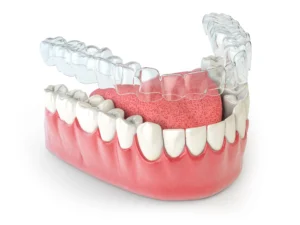
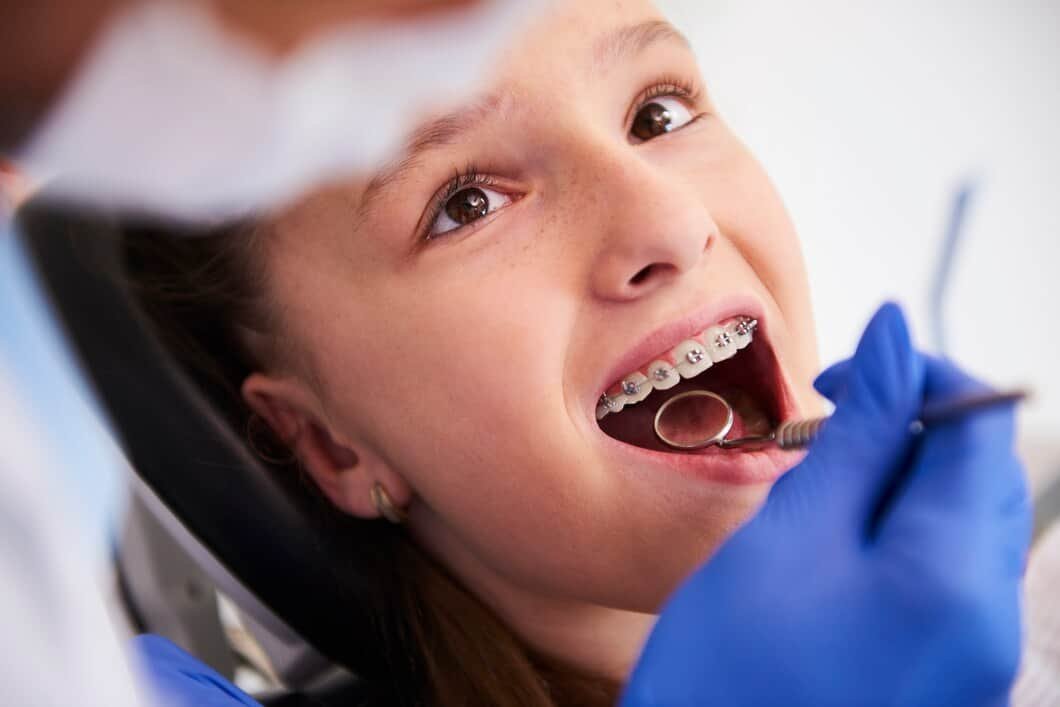
Invisalign and traditional braces are two popular methods for straightening teeth. They both aim to correct misalignment issues and improve dental health, but they differ in their approach and appearance. Invisalign consists of clear, removable aligners made from plastic. These aligners are custom-made to fit snugly over your teeth and are almost invisible, allowing for a more discreet treatment process. Patients typically switch to a new set of aligners every one to two weeks, gradually moving the teeth into their desired positions. Traditional braces, on the other hand, use metal or ceramic brackets that are bonded to the teeth. These brackets are connected by a metal wire and are adjusted periodically by an orthodontist to move the teeth into alignment. While metal braces are the more noticeable of the two options, ceramic braces offer a less conspicuous alternative since they blend in better with the natural colour of your teeth.Special Offer
Black Friday & Christmas offer
Professional teeth whitening for £250
A brighter smile in time for Christmas and the new year, carried out by our dental team on Witton Street, Northwich.
Find out about teeth whiteningOffer ends 31 December 2026. Subject to a dental assessment to make sure whitening is suitable for you. Over 18s only. Call 01606 44394 to book.
Pros and Cons of Invisalign
Invisalign has become a popular choice for many people seeking a discreet way to straighten their teeth. Here are some of the advantages:- Appearance: One of the main benefits of Invisalign is its nearly invisible appearance. The clear aligners are hard to notice, making this an excellent option for those who are self-conscious about wearing braces.
- Comfort: The aligners are made of smooth plastic, which is generally more comfortable than the metal wires and brackets of traditional braces. There are no sharp edges that can irritate your cheeks and gums.
- Convenience: Invisalign aligners are removable, making it easier to eat, brush, and floss. This flexibility can help maintain better oral hygiene compared to traditional braces.
- Shorter Dentist Visits: Invisalign usually requires fewer visits to the orthodontist for adjustments, as you simply switch to a new set of aligners at home.
- Discipline Required: Because Invisalign aligners are removable, they require a high level of discipline. You must wear them for at least 22 hours a day to achieve the desired results.
- Cost: Invisalign can be more expensive than traditional braces, which might be a consideration for some families.
- Complex Cases: For severe orthodontic issues, traditional braces might be more effective. Invisalign may not always provide the best results in these situations.
Pros and Cons of Traditional Braces
Traditional braces have been used for decades and are effective in treating various orthodontic issues. Here are some advantages:- Effectiveness: Traditional braces are highly effective for treating complex dental issues, such as severe crowding, spacing, and bite problems.
- Permanent Attachment: Since they are fixed to the teeth, there’s no need to worry about removing and reinserting them, ensuring consistent treatment.
- Customization: Braces can be tailored to each patient’s needs. Options include metal and ceramic brackets, allowing some flexibility in appearance.
- Appearance: Traditional metal braces are very noticeable, which might make some people feel self-conscious.
- Discomfort: The metal brackets and wires can cause irritation and discomfort in the mouth. Regular adjustments might also cause soreness.
- Oral Hygiene Challenges: Braces require meticulous oral hygiene. Food can easily get stuck around brackets and wires, making brushing and flossing more challenging.
Choosing Between Invisalign and Traditional Braces: Key Considerations
When deciding between Invisalign and traditional braces, consider these key factors:- Severity of Dental Issues: If you have complex orthodontic problems, traditional braces might be more effective. Invisalign works well for mild to moderate cases.
- Aesthetics: If appearance is a top concern, Invisalign’s clear aligners offer a discreet option. Traditional braces are more noticeable, but ceramic options are less conspicuous.
- Lifestyle Impact: Think about how each option fits into your lifestyle. Invisalign aligners are removable, making it easier to eat and maintain oral hygiene. Traditional braces, being fixed, require more diligent cleaning practices.
- Comfort Level: Invisalign aligners are smooth and generally more comfortable, while traditional braces can cause irritation and require adjustments.
- Commitment and Discipline: Invisalign requires you to wear aligners for at least 22 hours a day. If you think you might forget or remove them frequently, traditional braces might be a better option.
- Cost: Compare the costs. Invisalign tends to be more expensive than traditional braces. Check with your orthodontist to understand the full pricing and what is included.