Dental Bridge in Northwich
A fixed, permanent solution for missing teeth, restoring your smile, your bite and your confidence without the need for a removable denture.
Overview
A dental bridge is a fixed restoration that replaces one or more missing teeth by anchoring a false tooth, known as a pontic, to the natural teeth or implants on either side of the gap. At Brunner Court Dental & Implant Practice, 95 Witton Street, Northwich, CW9 5DR, dental bridges are carried out by Dr Natasja Kashyap (GDC: 150054), who holds an MSc in Fixed and Removable Prosthodontics, and Dr Nikita Dzyuba (GDC: 296180), who holds an MSc in Advanced Restorative Dentistry. Bridges start from £550 per unit, with finance available through Tabeo with interest-free options. Free consultations are available. Call 01606 44394 or book online.
What is a dental bridge?
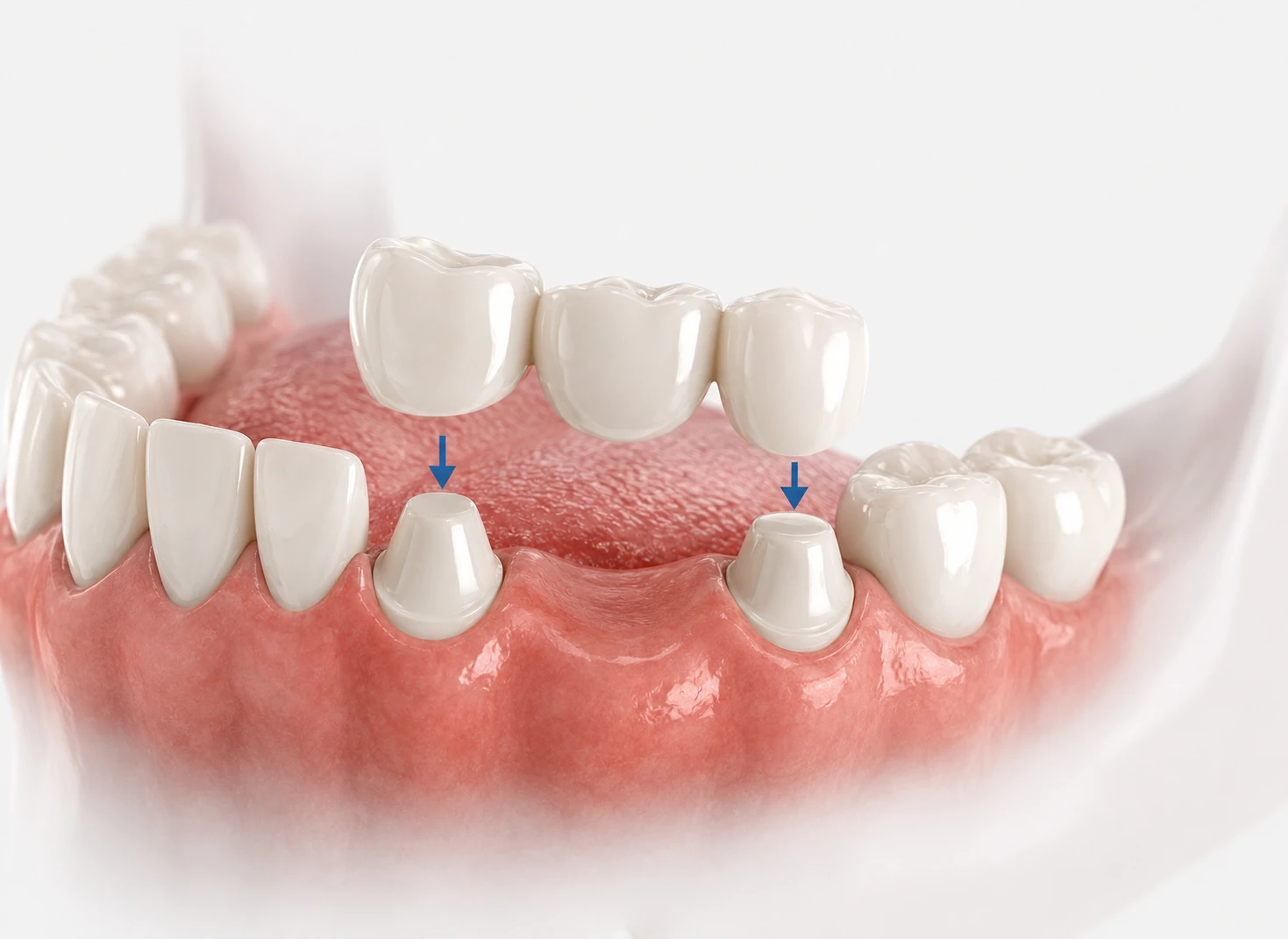
A dental bridge is a fixed restoration that spans a gap left by one or more missing teeth. The false tooth, called a pontic, is held in place by crowns fitted over the natural teeth on either side of the gap, or by dental implants used as anchor points instead.
Once fitted, a bridge is fixed in place permanently. It does not come out for cleaning and functions like natural teeth, allowing you to eat, speak and smile with complete confidence.
Bridges have been used in dentistry for many decades and remain one of the most reliable and predictable fixed solutions for missing teeth. A well-made bridge, cared for properly, can last fifteen years or more.
It is worth understanding what a bridge involves before deciding whether it is the right option for your situation. A conventional tooth-supported bridge requires the teeth on either side of the gap to be prepared, which means a small amount of healthy tooth structure is permanently removed to create space for the crowns that anchor the bridge.
Where the adjacent teeth are already crowned or heavily restored, a bridge makes excellent clinical sense. Where they are healthy and untouched, an implant bridge may be the better long-term investment.
Your clinician will give an honest recommendation at your consultation.
Types of dental bridge we offer
Conventional bridge
The most common type. The false tooth is supported by crowns placed over the two natural teeth adjacent to the gap. These teeth are prepared by removing a precise amount of enamel to accommodate the crowns. The bridge is fabricated as a single unit in a dental laboratory and bonded in place at the fitting appointment.
From £550 per unit
Cantilever bridge
Where there is only one healthy tooth available on one side of the gap, a cantilever bridge uses a single crown as the anchor rather than two. This approach is used selectively and your clinician will assess whether it is clinically appropriate for your specific case.
From £550 per unit
Implant-supported bridge
Where the adjacent teeth are healthy and the patient does not want them prepared, an implant bridge uses dental implants as the anchor points instead of natural teeth. This preserves the neighbouring teeth entirely and provides the additional benefit of stimulating the jawbone to prevent bone loss. For patients who are suitable for implants and want to preserve their natural teeth, this is often the better long-term solution.
From £3,500 — see our implant bridge page for full details
Maryland bridge
A conservative option for replacing a single missing tooth, particularly in the front of the mouth. Rather than full crowns on adjacent teeth, a Maryland bridge uses small metal or ceramic wings bonded to the backs of the neighbouring teeth. It is less invasive and does not require tooth preparation, but it is less durable and not suitable for all cases.
Fee on consultation
Am I a suitable candidate?
Most adults who have lost one or more teeth and have healthy natural teeth adjacent to the gap are potential candidates for a conventional bridge. The key requirements are healthy neighbouring teeth, healthy gums and sufficient bone support.
A bridge may be the right option if you:
- Have one or more missing teeth with healthy natural teeth on either side
- Want a fixed solution without implant surgery
- Have neighbouring teeth that are already crowned or heavily restored
- Have healthy gums and good underlying bone support
- Are committed to good oral hygiene to maintain the bridge long term
We would discuss your circumstances carefully if you:
- Have healthy, unrestored teeth adjacent to the gap: Preparing them for a bridge means permanently altering healthy tooth structure. In this situation an implant bridge is often the better long-term investment. Your clinician will give an honest recommendation.
- Have gum disease or bone loss: Active gum disease needs to be resolved before bridge treatment begins. Your assessment will identify anything that needs addressing first.
- Have a large gap involving multiple missing teeth: Longer bridges place greater load on the anchor teeth and may not be the most durable solution. Your clinician will advise on the most appropriate approach for your specific gap.
- Grind your teeth: Bruxism places significant force on fixed restorations. A night guard alongside the bridge is usually recommended to protect your investment.
What does dental bridge treatment involve?
Consultation
Your first appointment is a thorough examination. Your clinician will assess the gap, check the health of the adjacent teeth and gums, take any necessary x-rays and discuss your options honestly, including whether an implant bridge may be a better long-term solution. A written treatment plan with full costs is provided before you proceed.
Tooth preparation
The teeth adjacent to the gap are prepared under local anaesthetic. A precise amount of enamel is removed from each tooth to create space for the crowns that will anchor the bridge. Temporary crowns are placed at the end of this appointment to protect the prepared teeth while the bridge is being fabricated.
Impressions and laboratory fabrication
Impressions or digital scans of the prepared teeth and the gap are taken and sent to the dental laboratory. Your bridge is custom-made from high-quality ceramic material, matched precisely to the colour and shape of your surrounding teeth. Fabrication typically takes one to two weeks.
Fitting appointment
At your fitting appointment the temporary crowns are removed and the bridge is tried in and checked carefully for fit, appearance and bite before being permanently bonded in place. Your clinician will make any adjustments needed before the bridge is finally cemented.
Aftercare
A bridge is cleaned much like natural teeth, with the addition of specialist interdental brushes or floss threaders to clean beneath the pontic where the bridge spans the gap. Regular hygiene appointments are essential for keeping the gum tissue healthy and the anchor teeth in good condition long term.
How much does a dental bridge cost in Northwich?
Treatment | Fee | Est. monthly (Tabeo) |
Bridge consultation | Free | Free |
Bridge (per unit) | From £550 | Price on consultation |
Implant bridge (3 teeth) | From £3,500 | Price on consultation |
Maryland bridge | Fee on consultation | Price on consultation |
Monthly figures are based on an interest-free finance plan through Tabeo. Your actual monthly payment depends on the total treatment cost and the repayment term you choose. Subject to status. Applicants must be over 18 with a source of income.
Your exact cost depends on the type of bridge required and the number of units involved. A full written cost breakdown is provided at your consultation before anything is agreed. Finance options are discussed at the same appointment so you can see exactly what treatment looks like spread across monthly payments before committing to anything.
- Real Patient Results
Thousands of Smiles Transformed
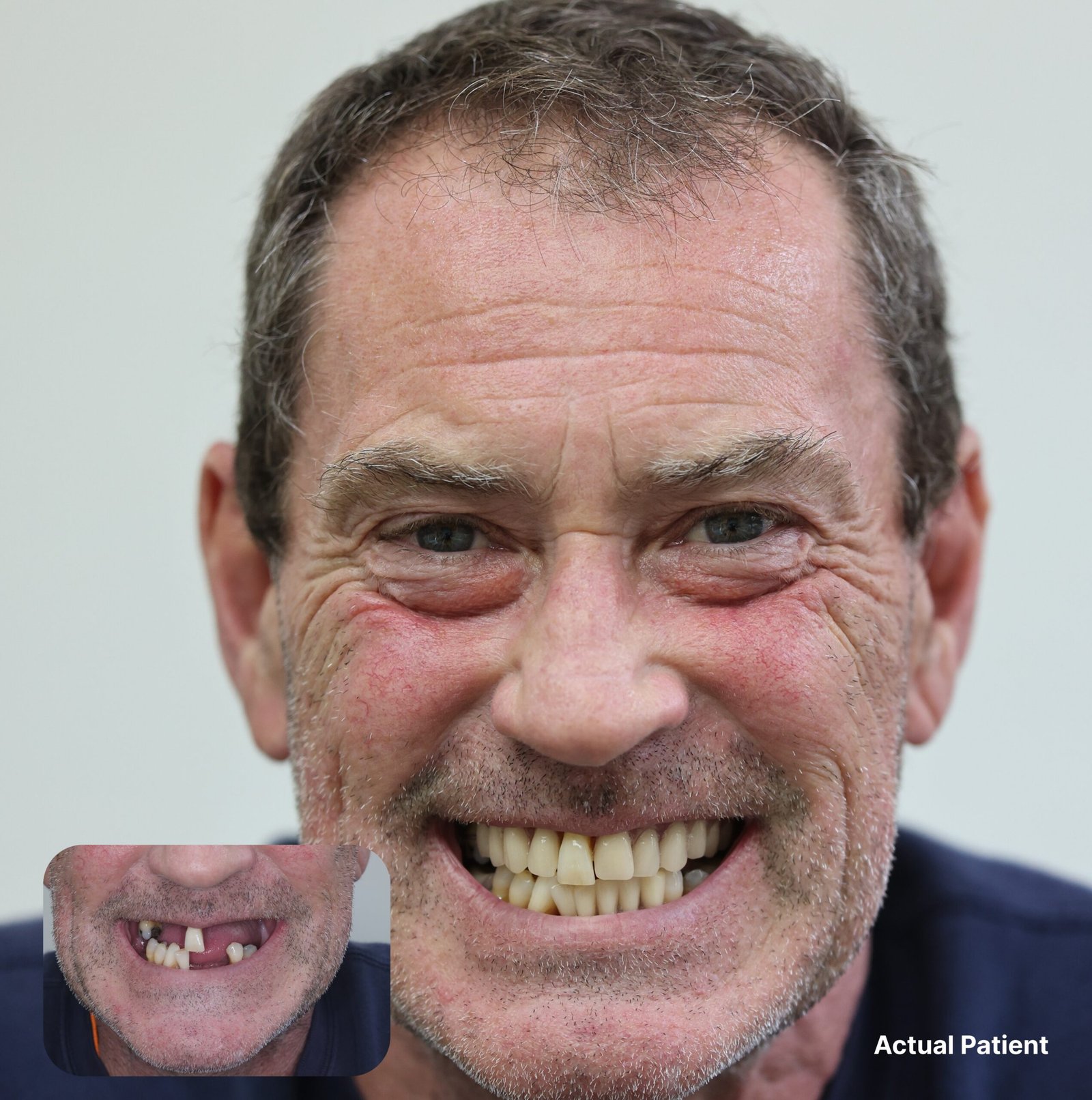
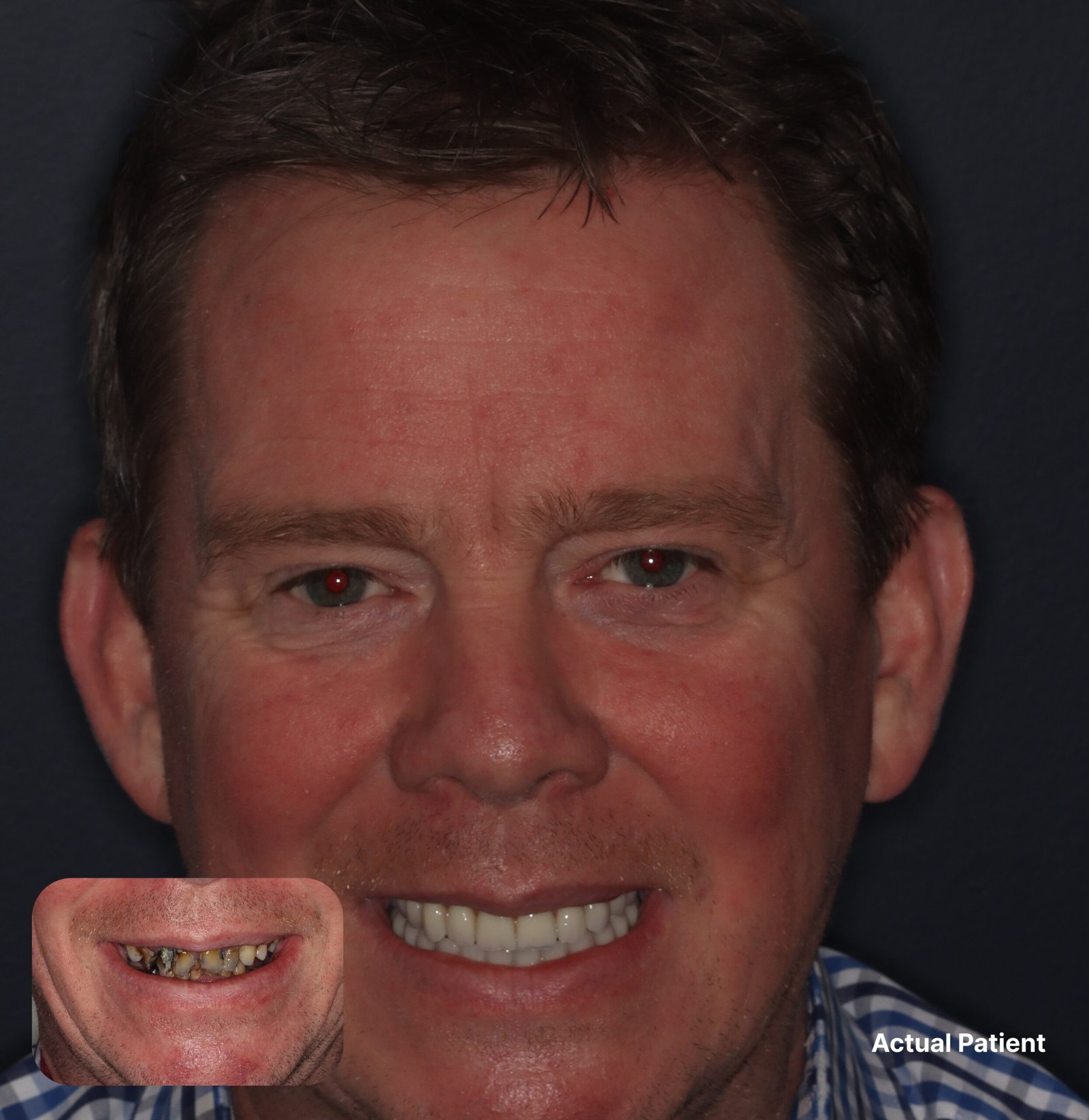
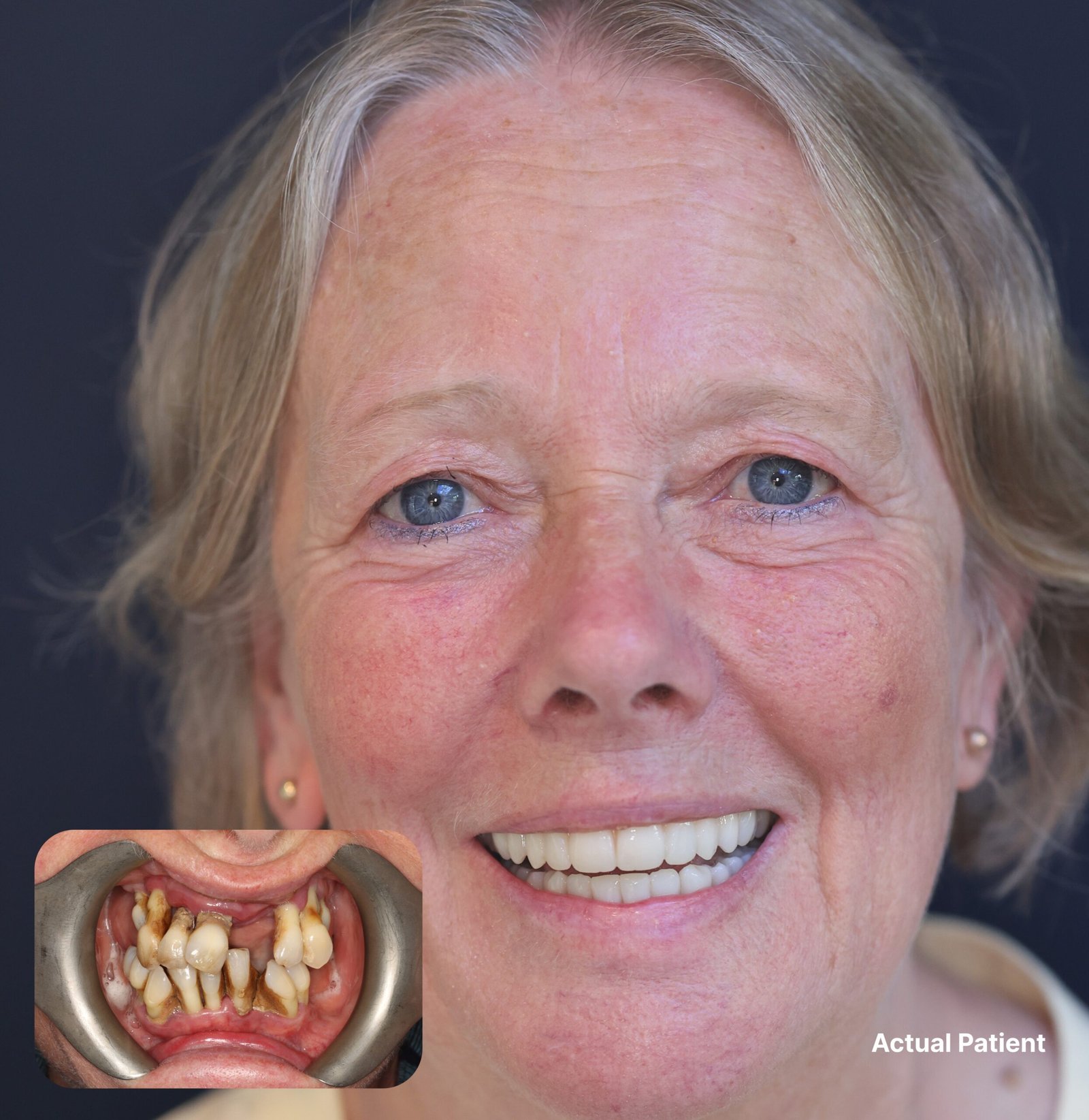
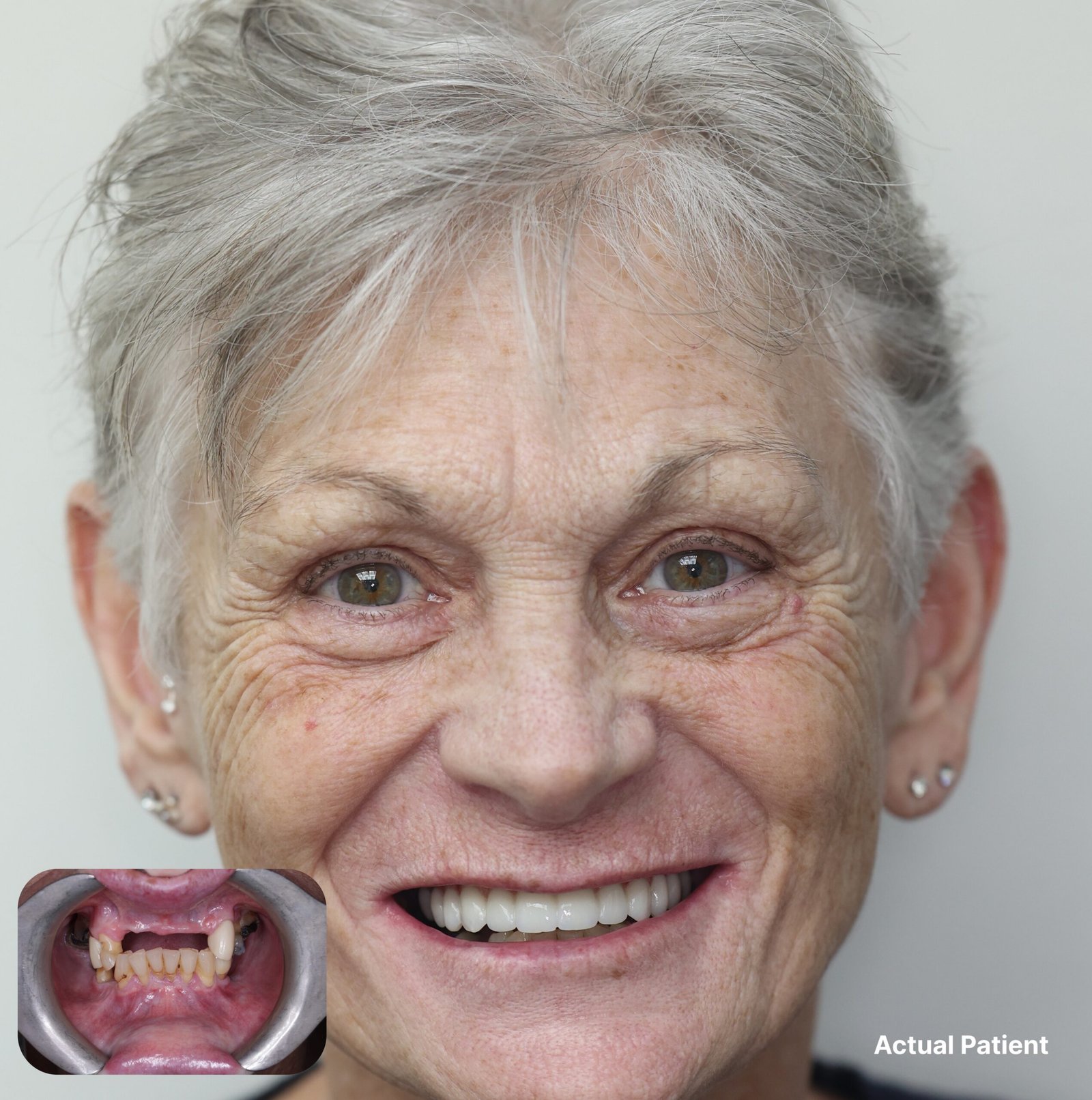
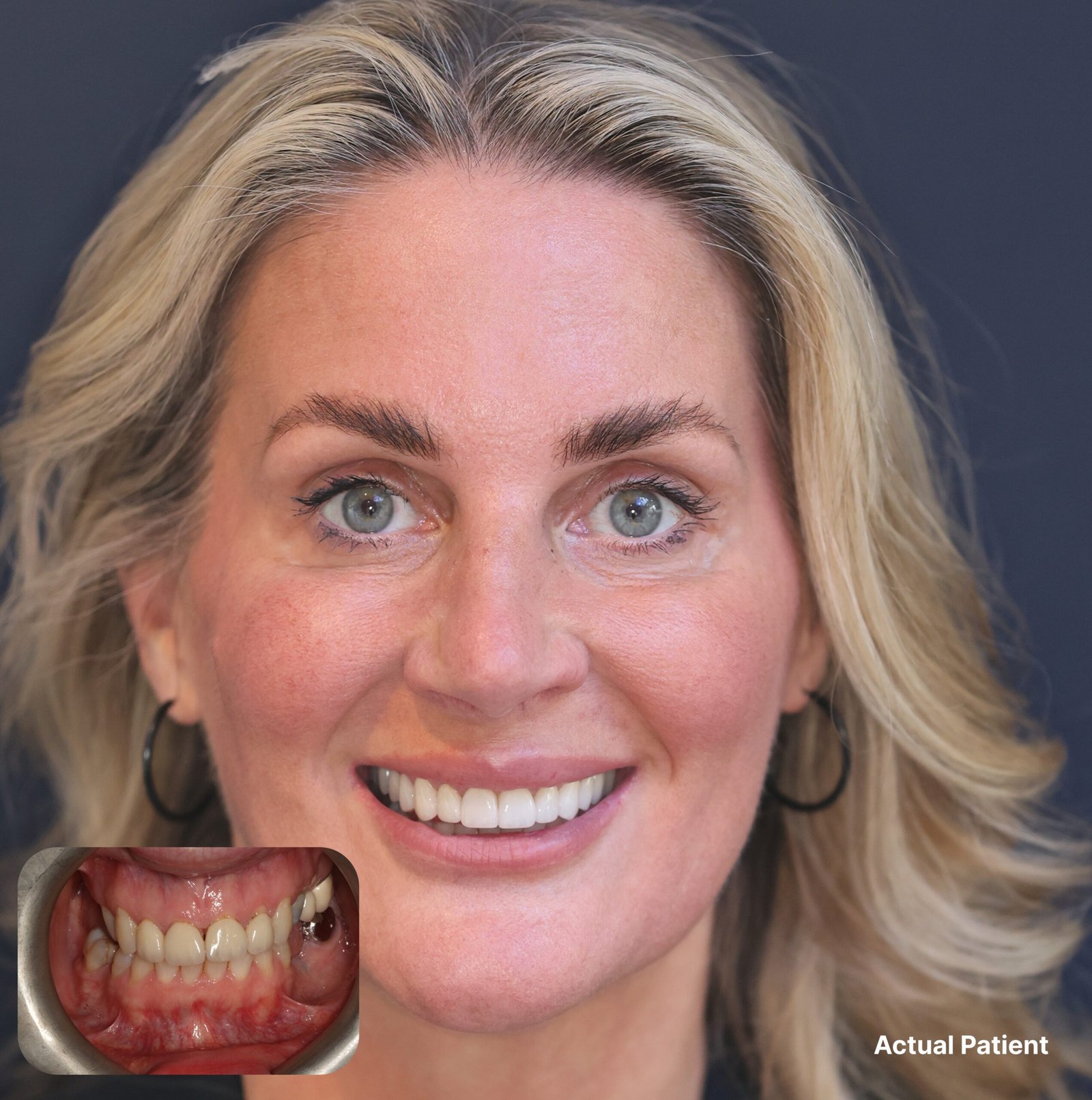
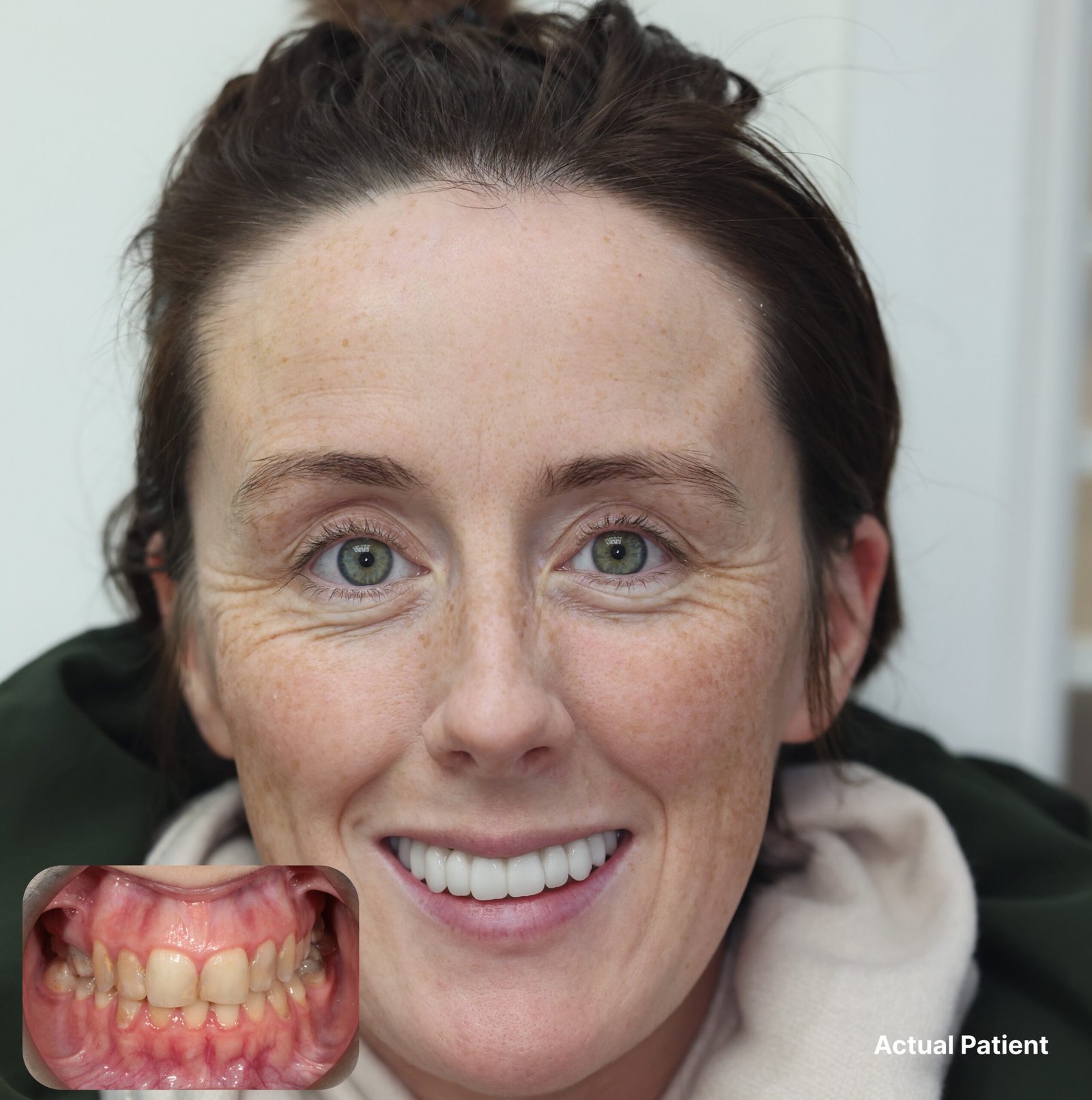
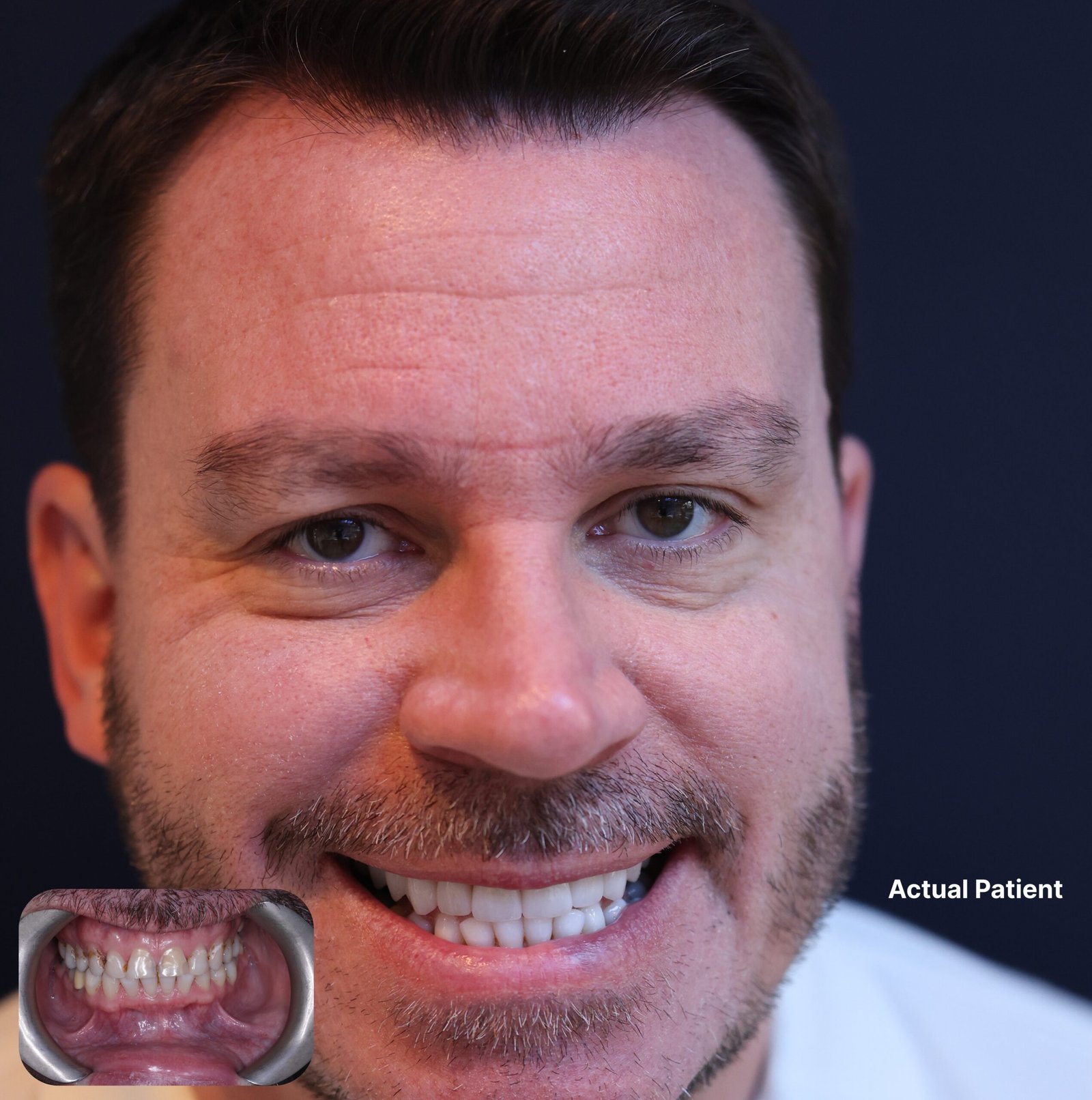
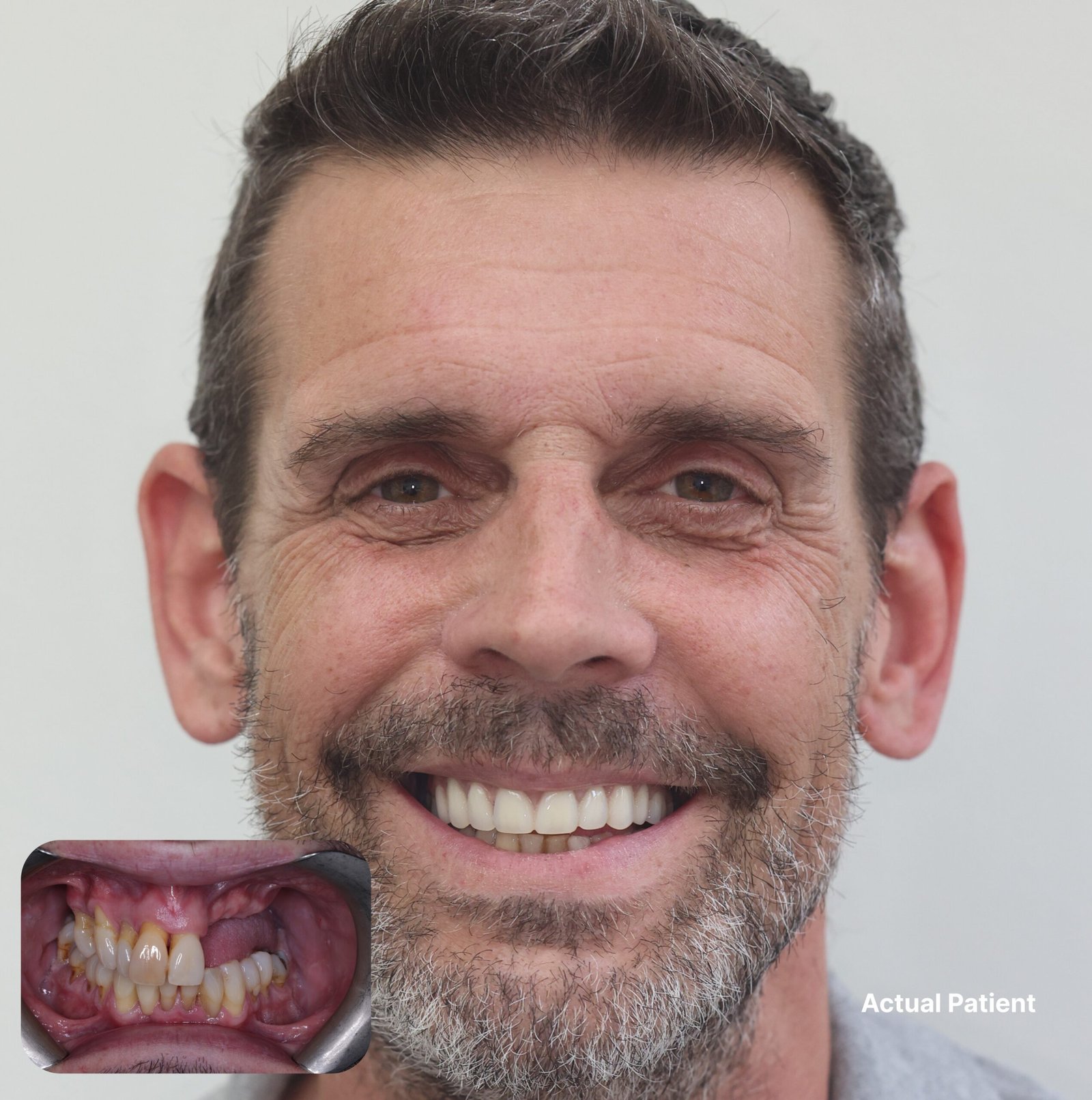
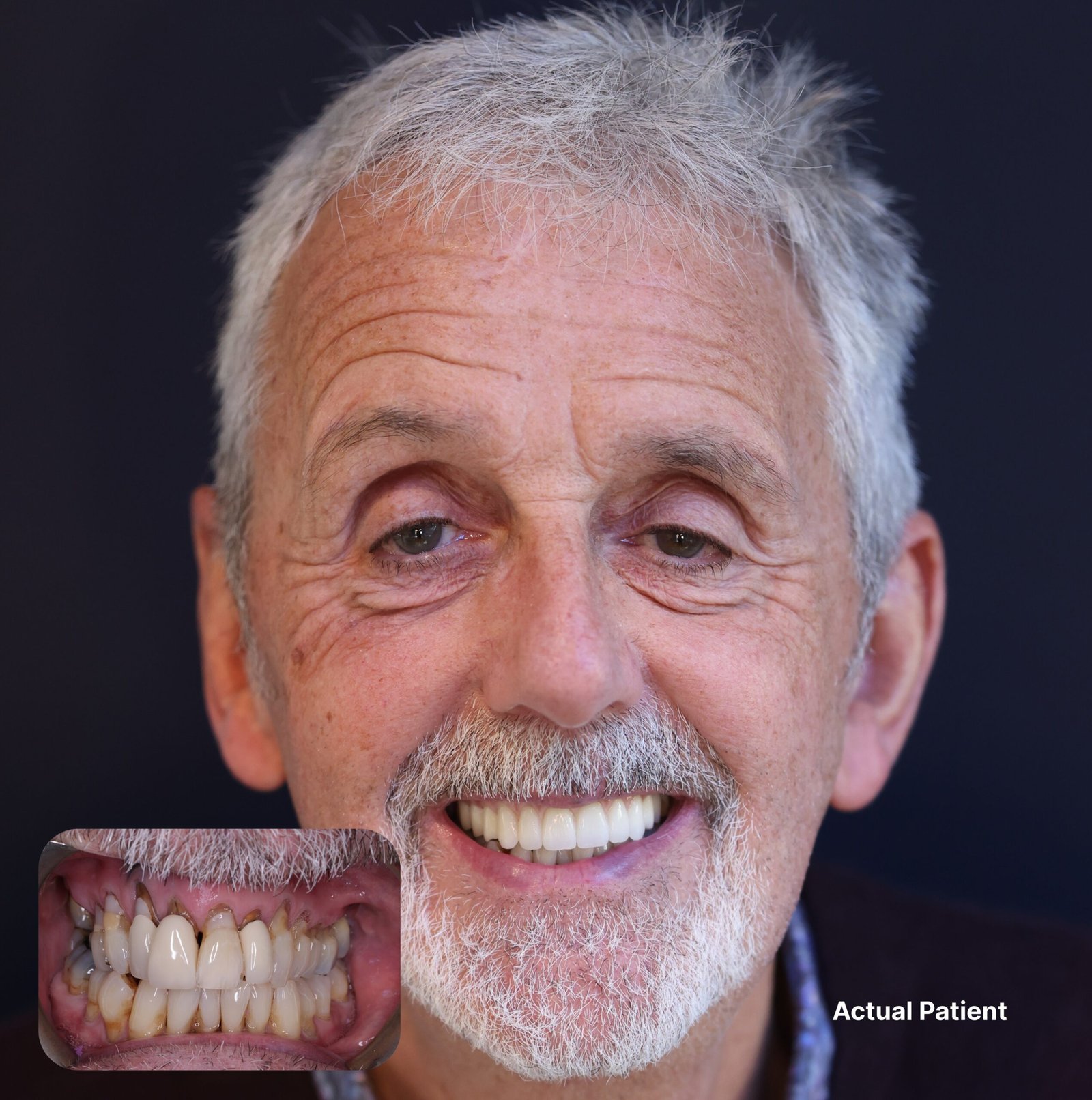
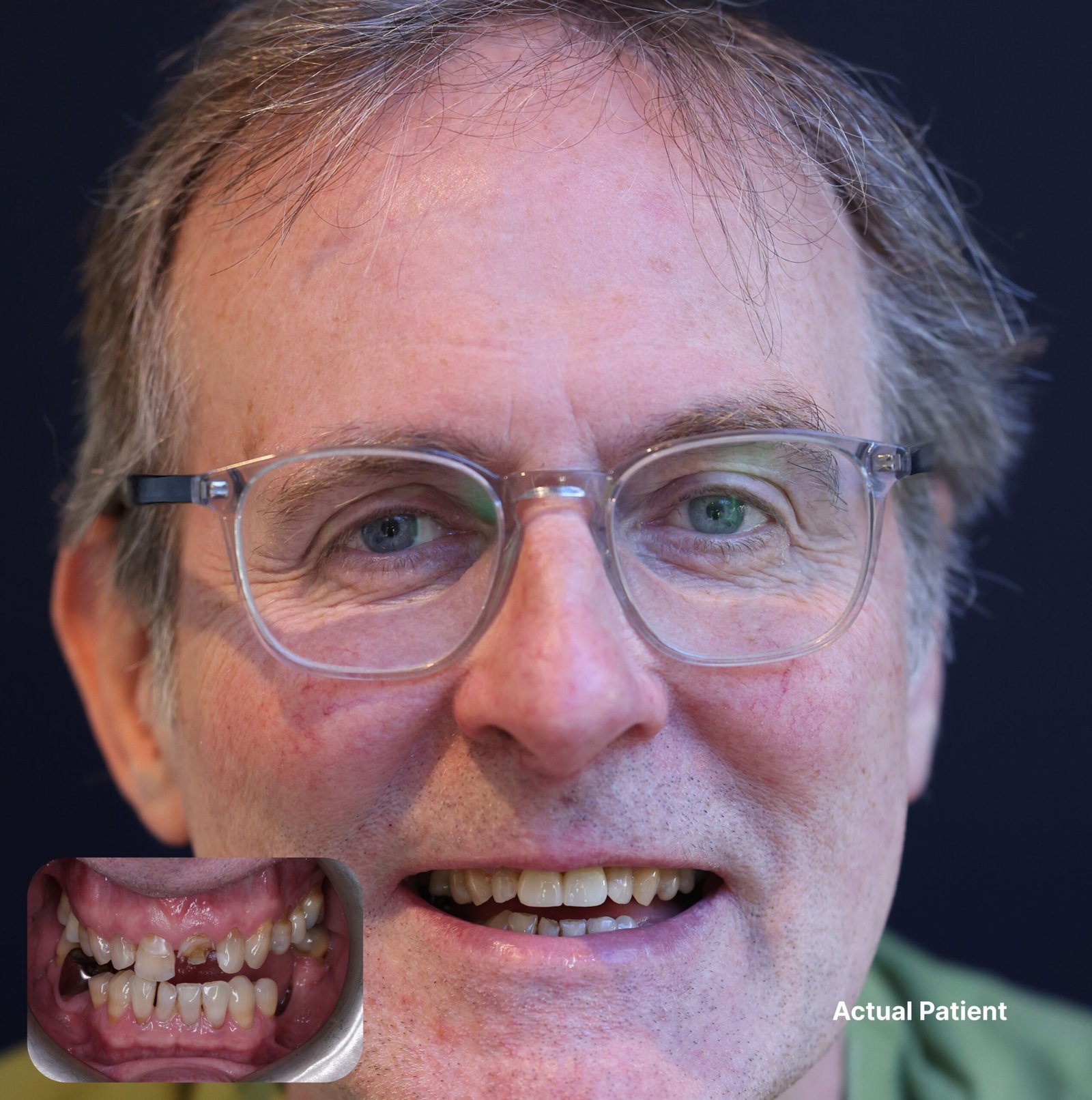
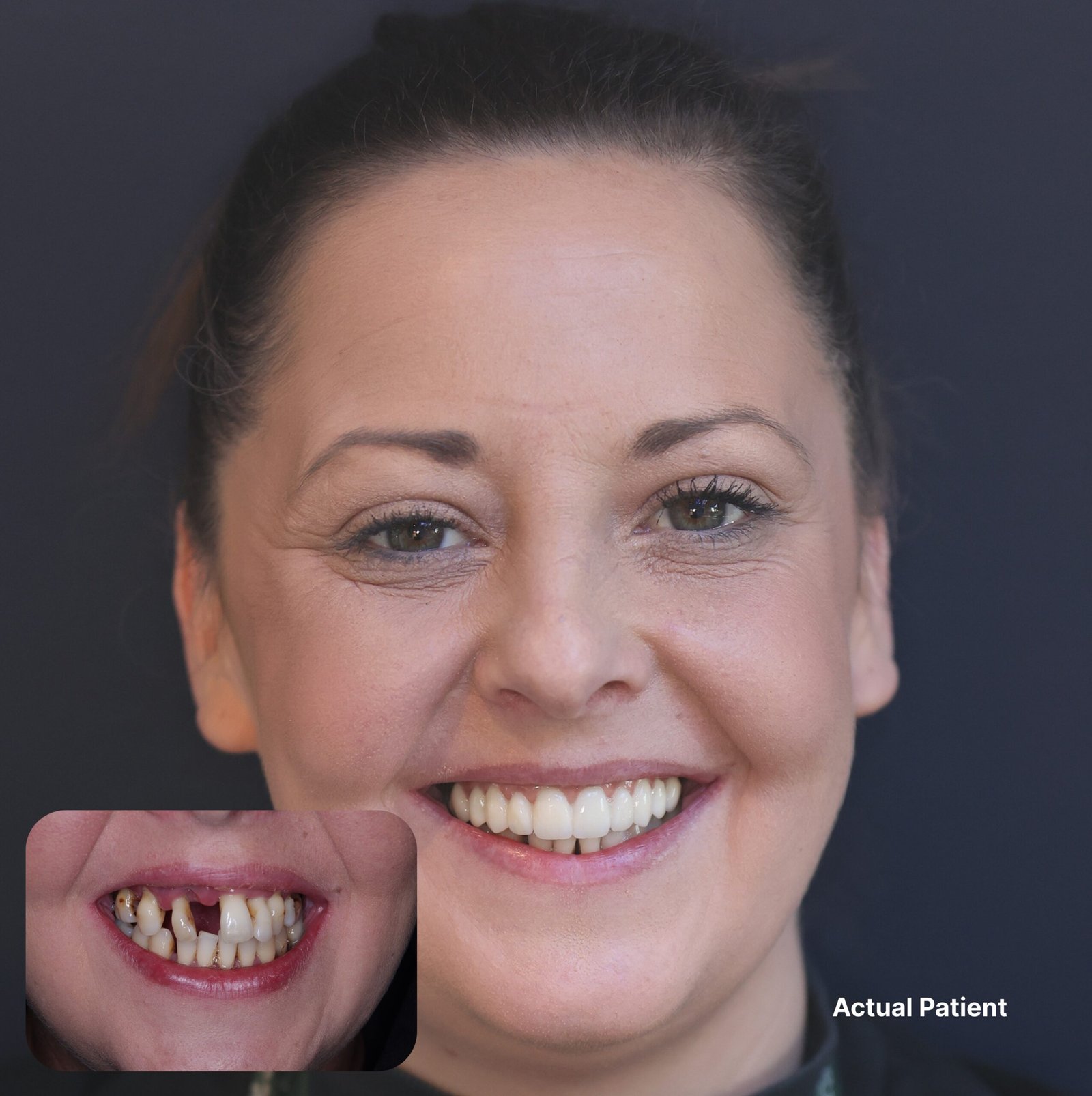
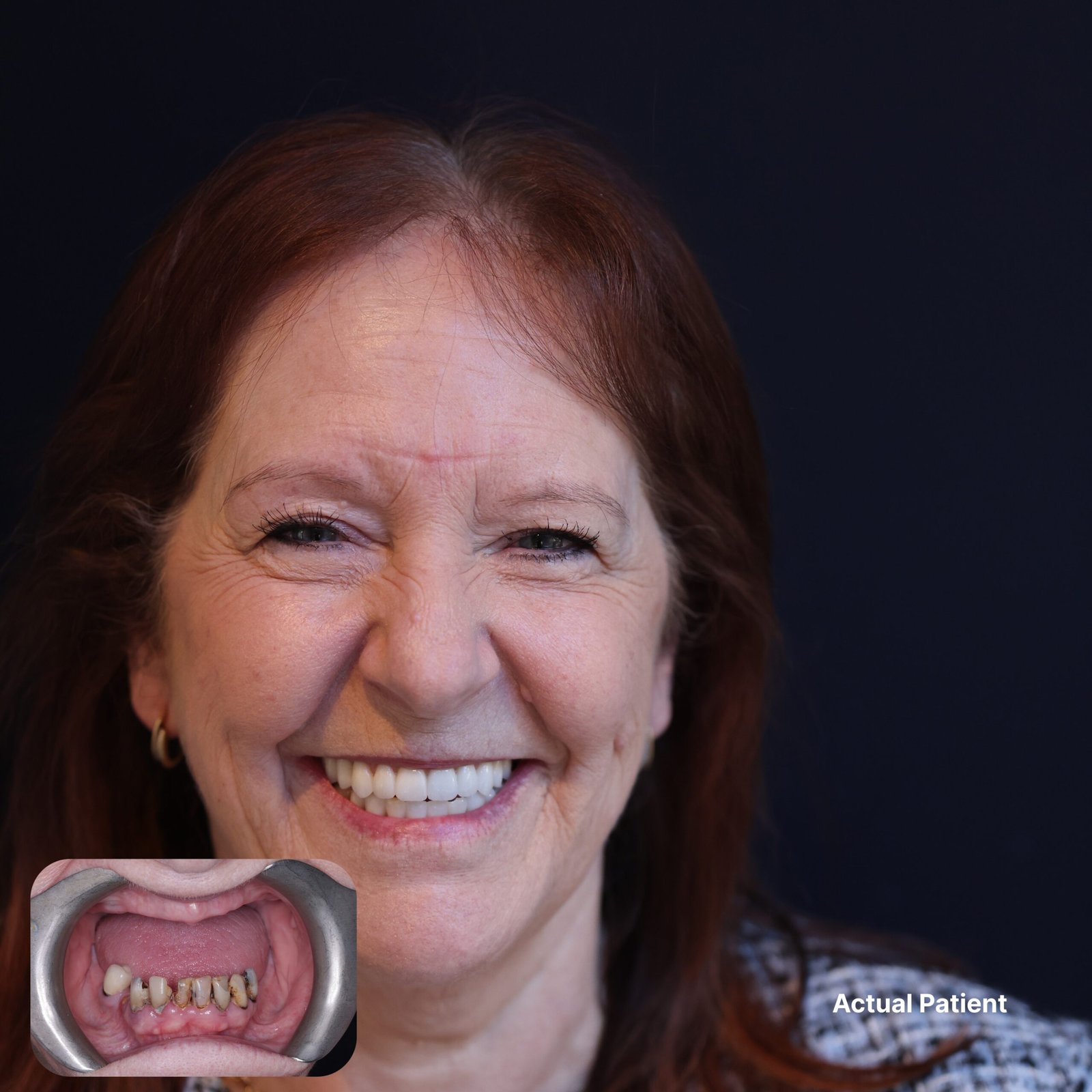
Be our Next Success Story!
Experience personalised dental care designed to help you achieve your dream smile.
We see patients from across Northwich and Cheshire
Our Witton Street practice welcomes bridge and restorative patients from across the region, including Hartford, Weaverham, Leftwich, Davenham, Sandiway, Rudheath, Kingsmead and Lostock Gralam, as well as from further afield across Cheshire and the wider North West.
If you are looking for a fixed solution for missing teeth at a private dental practice in the Northwich area, we would be glad to welcome you for a consultation.
Not sure where to begin? Give us a call.
Make an Enquiry
Other Treatments
Meet your dental team
Dental bridge treatment at Brunner Court is carried out by our experienced restorative team, led by Dr Natasja Kashyap, a principal dentist holding an MSc in Fixed and Removable Prosthodontics from the University of Manchester: a postgraduate qualification specifically focused on the design and delivery of fixed and removable dental restorations. She also holds a Diploma from the Royal College of Surgeons of Edinburgh.
She is supported by Dr Nikita Dzyuba, who holds an MSc in Advanced Restorative Dentistry and has published work in the British Dental Journal and other leading dental publications.
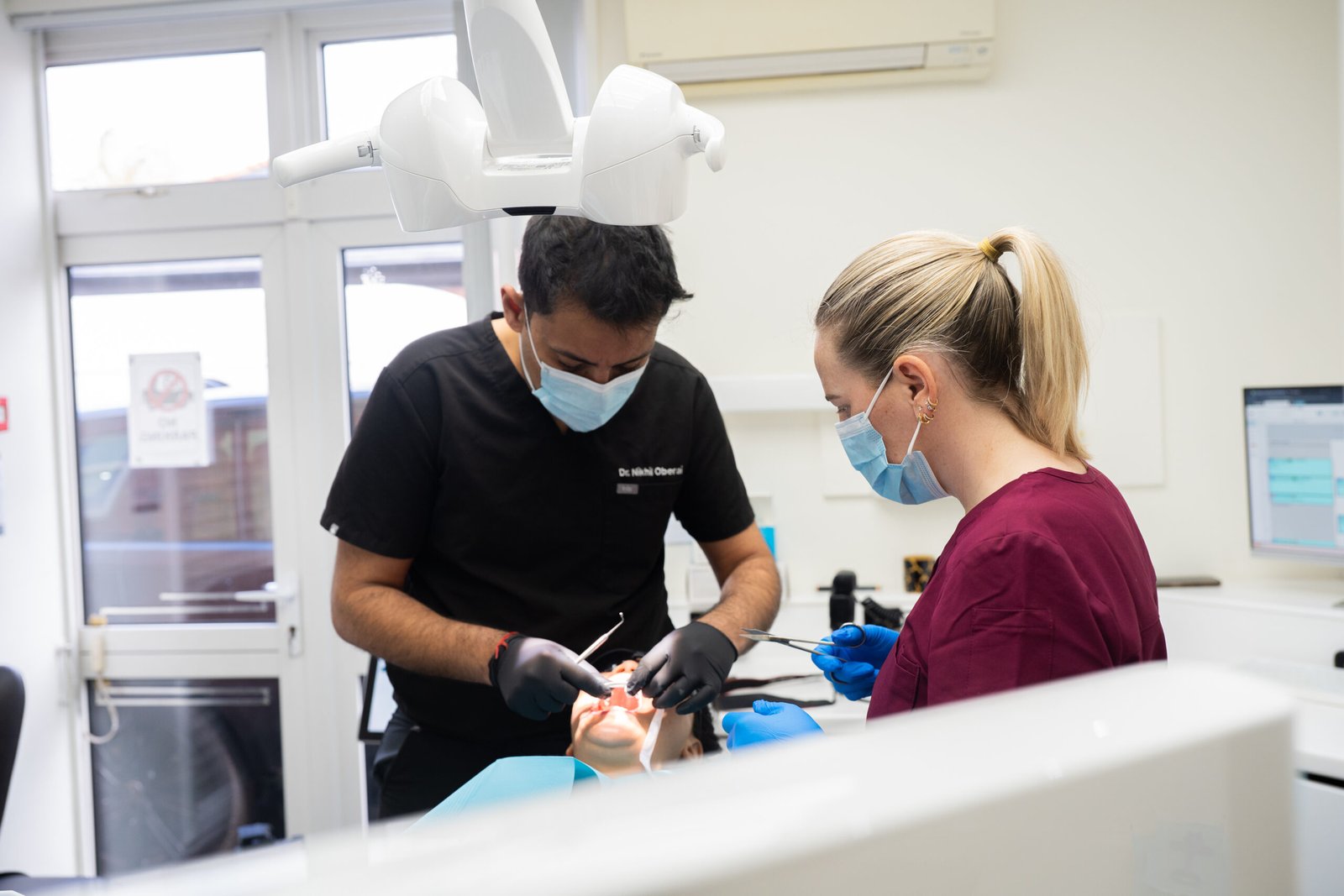
Where an implant-supported bridge is the more appropriate clinical option, Dr Nikhil Oberai leads that element of treatment. Dr Nikhil holds an MSc in Implant Dentistry from the University of Manchester and has over a decade of dedicated implant experience.
Dr Natasja Kashyap GDC: 150054 | Dr Nikita Dzyuba GDC: 296180 | Dr Nikhil Oberai GDC: 150126
We're Welcoming New Patients
Brunner Court is open to new patients and we mean that warmly, not just as a formality. Whether you haven’t visited a dentist in a long time, you’re nervous, you’ve just moved to Northwich, or you’re simply ready for a practice that takes you seriously, we’d love to hear from you.
Your first appointment includes a thorough review of your teeth, gums and overall oral health. We’ll talk through any concerns, explain your options and put together a treatment plan if needed.
Dental MOT — just £79
"Highly recommend Natasha and Nikhil. Honest team, solid advice."
★★★★★ - Jane Cafferky | Brunner Court Dental & Implant Practice
- FAQs
Frequently asked questions about dental bridges in Northwich
At Brunner Court, dental bridges start from £550 per unit. The total cost depends on the number of units involved and the type of bridge required. An implant bridge starts from £3,500. A full written cost breakdown is provided at your consultation before any treatment begins. Finance is available through Tabeo with interest-free options.
A well-made dental bridge, cared for properly, typically lasts between ten and fifteen years and often longer. Longevity depends on oral hygiene, the condition of the anchor teeth, whether you grind your teeth and how well you maintain the area beneath the bridge with regular hygiene appointments.
It depends on the clinical situation and the patient's priorities. A dental implant does not require the adjacent teeth to be prepared, stimulates the jawbone to prevent bone loss and is designed to be a permanent solution. A bridge is a good option where the adjacent teeth are already crowned or heavily restored, where the patient prefers to avoid surgery, or where the overall investment needs to be lower. Your clinician will discuss both options honestly at your consultation and give a clear recommendation based on your specific case.
Yes. Once the bridge is fitted and cemented in place you can eat normally. Very hard or sticky foods are best avoided as they can place excessive force on the bridge and the anchor teeth. Most patients find that within a short settling-in period their bridge feels completely natural.
Cleaning beneath a dental bridge requires a little more effort than cleaning natural teeth. A specialist interdental brush or a floss threader allows you to clean the gum tissue and tooth surfaces beneath the pontic. This area is prone to plaque accumulation if not cleaned regularly. Regular hygiene appointments at Brunner Court ensure professional cleaning of the bridge and the supporting teeth as part of your ongoing care.