Implant Bridge in Northwich
A fixed, permanent solution for two or more missing adjacent teeth — anchored by implants, without touching the teeth either side.
Overview
An implant bridge replaces two or more adjacent missing teeth with a fixed, permanent restoration anchored by dental implants — leaving the surrounding natural teeth completely untouched. It is one of the most clinically sound long-term solutions for patients with a gap of two or more teeth, and a significant improvement on a conventional bridge which requires cutting down the neighbouring teeth. At Brunner Court Dental & Implant Practice, 95 Witton Street, Northwich, CW9 5DR, implant bridges are placed by Dr Nikhil Oberai (GDC: 150126), an MSc-qualified implant dentist trained at the University of Manchester with over a decade of dedicated implant experience. Implant bridges start from £3,500, with finance available through Tabeo to spread the cost into manageable monthly payments. Free consultations are available. Call 01606 44394 or book online.
What is an implant bridge?
An implant bridge replaces two or more adjacent missing teeth using dental implants as the anchor points rather than the natural teeth on either side of the gap.
In a conventional dental bridge, the neighbouring teeth are cut down and crowned to support the false tooth suspended between them. It is an effective solution but it comes at a cost, healthy natural tooth structure is permanently removed to support the bridge, and those teeth become dependent on the restoration for their long-term stability.
An implant bridge works differently. Two implants are placed into the jawbone at either end of the gap. The bridge, a fixed row of replacement teeth, is then secured to those implants. The neighbouring natural teeth are left completely untouched.
The result is a fixed, stable, natural-looking restoration that functions like natural teeth, preserves the surrounding dentition and stimulates the jawbone beneath it to prevent bone loss. For patients missing two or more adjacent teeth, it is one of the most clinically sound long-term solutions available.
Implant bridge vs conventional bridge
Both restore the appearance and function of missing teeth, but there are meaningful differences worth understanding before making a decision.
Implant bridge
- Anchored by implants placed directly into the jawbone
- Neighbouring natural teeth left completely untouched
- Stimulates the bone beneath the gap to prevent resorption
- Designed to be a long-term or permanent solution
- Places no additional load on surrounding natural teeth
Conventional bridge
- Anchored by crowning the two natural teeth either side of the gap
- Requires permanent removal of healthy tooth structure from those teeth
- Does not prevent bone loss beneath the gap
- Teeth supporting the bridge take on additional load over time
For most patients missing two or more adjacent teeth who have healthy neighbouring teeth, an implant bridge is the better long-term investment. Your clinician will discuss both options honestly at your consultation and recommend based on your specific clinical situation.
Am I a suitable candidate?
Most adults who are missing two or more adjacent teeth are potential candidates for an implant bridge. The key requirements are sufficient bone volume at the implant sites, healthy gum tissue and reasonable general health.
You may be a good candidate if you:
- Are missing two or more adjacent teeth on the same arch
- Have healthy natural teeth on either side of the gap that you want to preserve
- Have or can build sufficient bone volume at the implant sites
- Are in good general health with no uncontrolled systemic conditions
- Are a non-smoker or willing to manage smoking carefully around treatment
We would discuss your circumstances carefully if you:
- Have bone loss at the implant sites: Bone grafting may be possible to resolve this and is available in-house at Brunner Court.
- Smoke: Smoking affects healing and long-term success rates. It is not always a barrier to treatment, and many smokers are treated successfully — but it is something your clinician will discuss with you honestly.
- Have diabetes or other systemic conditions: Well-controlled conditions are generally not a barrier. We will review your medical history carefully before treatment is planned.
- Take bisphosphonates or other medications: Certain medications require careful consideration before implant treatment. Your clinician will review your full medication history at consultation and advise accordingly.
The only definitive way to know whether you are a suitable candidate is to book a free consultation. Your clinician will carry out a full assessment and give you a clear, honest answer.
What does dental implant treatment involve?
Free consultation
Your first appointment is free of charge. Dr Nikhil will examine the gap, assess the health of the surrounding teeth and gum tissue, review your dental and medical history and discuss your goals. You will leave with a clear written treatment plan and full cost breakdown with no obligation to proceed.
Treatment planning and scanning
X-rays and in some cases a CBCT scan are taken in-house to assess bone volume at the implant sites and plan the precise position of each implant. Accurate planning at this stage is fundamental to a successful outcome.
Preparatory treatment (if required)
Where bone volume is insufficient to support the implants without preparatory work, bone grafting is carried out first and allowed to heal before implant placement proceeds. Your treatment plan will confirm whether this step is needed in your case.
Implant placement
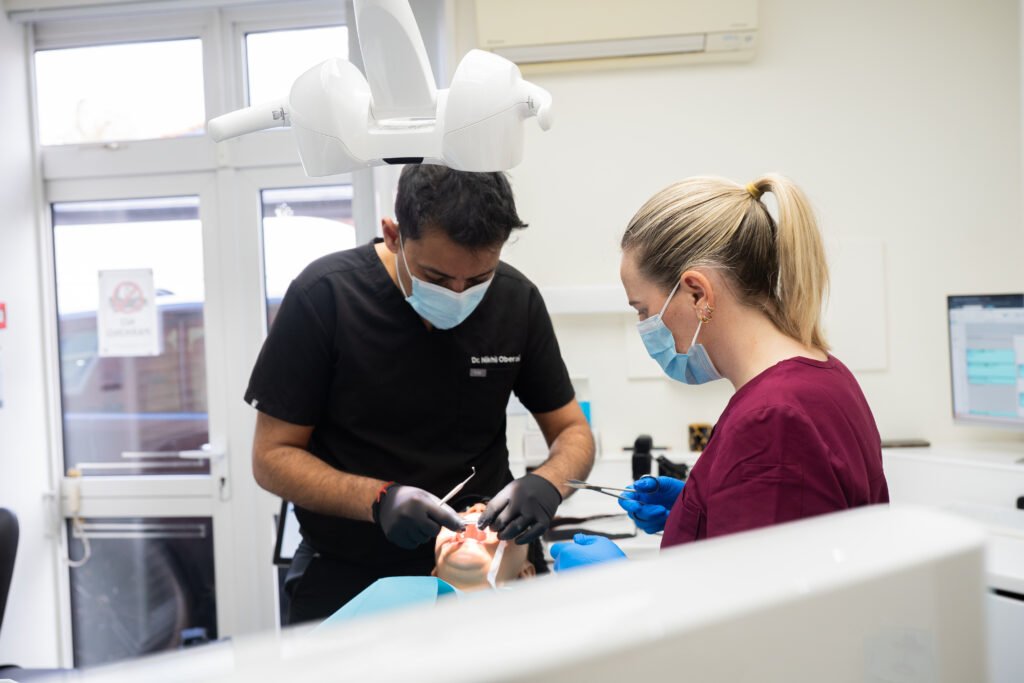
Two implants are placed into the jawbone under local anaesthetic, one at each end of the gap. The procedure is straightforward and most patients are comfortable throughout. Sedation is available if preferred. Placement typically takes around an hour.
Healing
The implants are left to integrate fully with the surrounding bone over several weeks. A temporary restoration is placed during this period so there is no visible gap while healing takes place.
Bridge fitting
Once healing is confirmed, the final implant bridge is designed, fabricated and fitted. Your clinician checks the fit, appearance and bite carefully before securing the bridge in place. The neighbouring natural teeth remain completely untouched throughout.
Aftercare
An implant bridge is cleaned much like natural teeth — regular brushing and specialist interdental cleaning beneath the bridge to keep the gum tissue healthy. Regular hygiene appointments at the practice support the long-term health of the restoration.
How much does an implant bridge cost in Northwich?
Treatment | Fee | Est. monthly (Tabeo) |
Implant consultation | Free | Free |
Implant bridge (3 teeth) | From £3,500 | Price on consultation |
Bone regeneration (if required) | From £250 | Price on consultation |
Sinus graft (if required) | From £500 | Price on consultation |
Sinus lift (if required) | From £700 | Price on consultation |
Sedation (if required) | From £350 | Price on consultation |
Monthly figures are based on an interest-free finance plan through Tabeo. Your actual monthly payment depends on the total treatment cost and the repayment term you choose. Subject to status. Applicants must be over 18 with a source of income.
Your exact cost depends on the number of teeth being replaced, the complexity of your case and whether any preparatory treatment is needed. A full written cost breakdown is provided at your free consultation before anything is agreed. Finance options are discussed at the same appointment so you have a clear picture of what treatment looks like spread across monthly payments before committing to anything.
- Real Patient Results
Thousands of Smiles Transformed
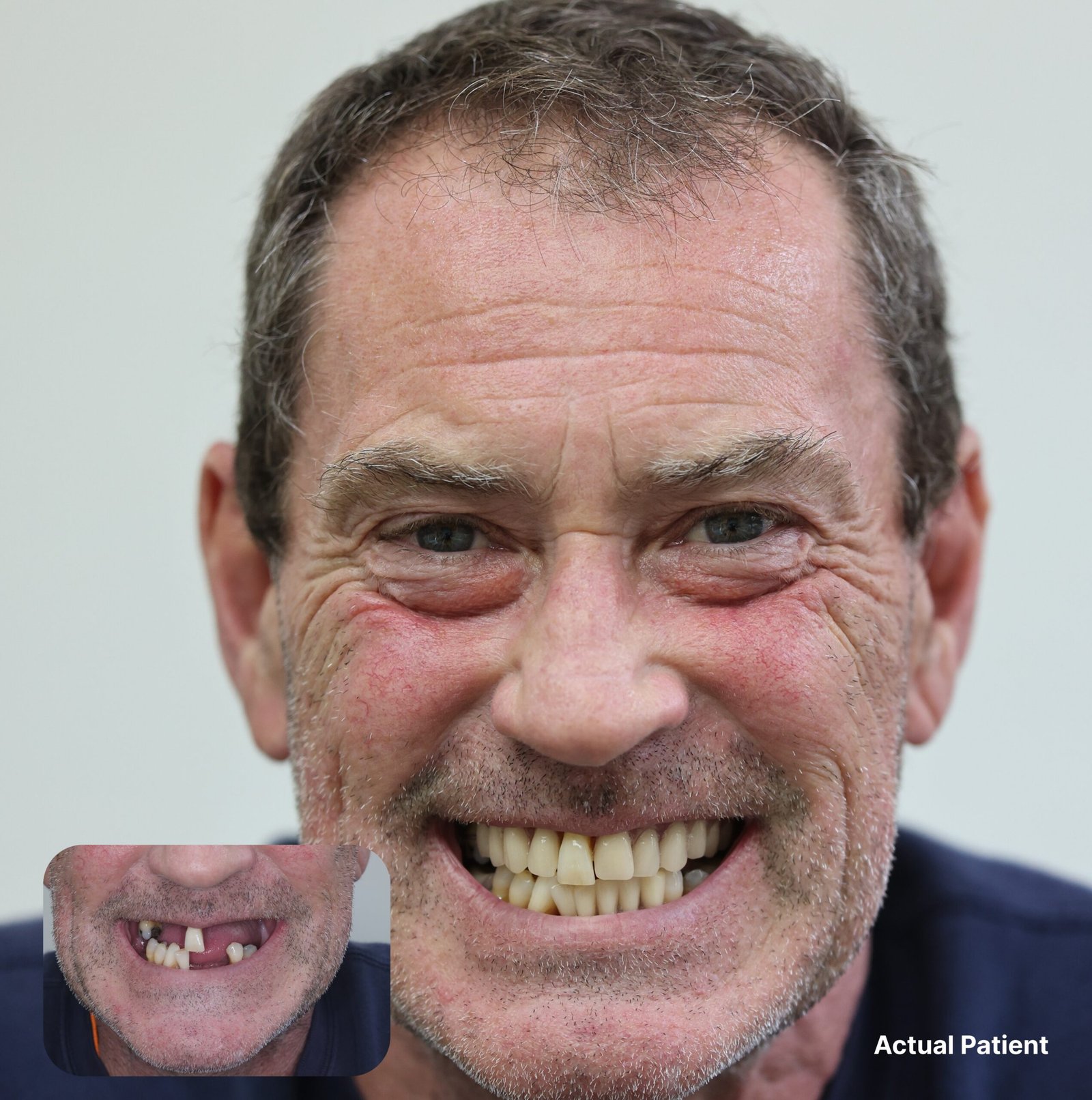
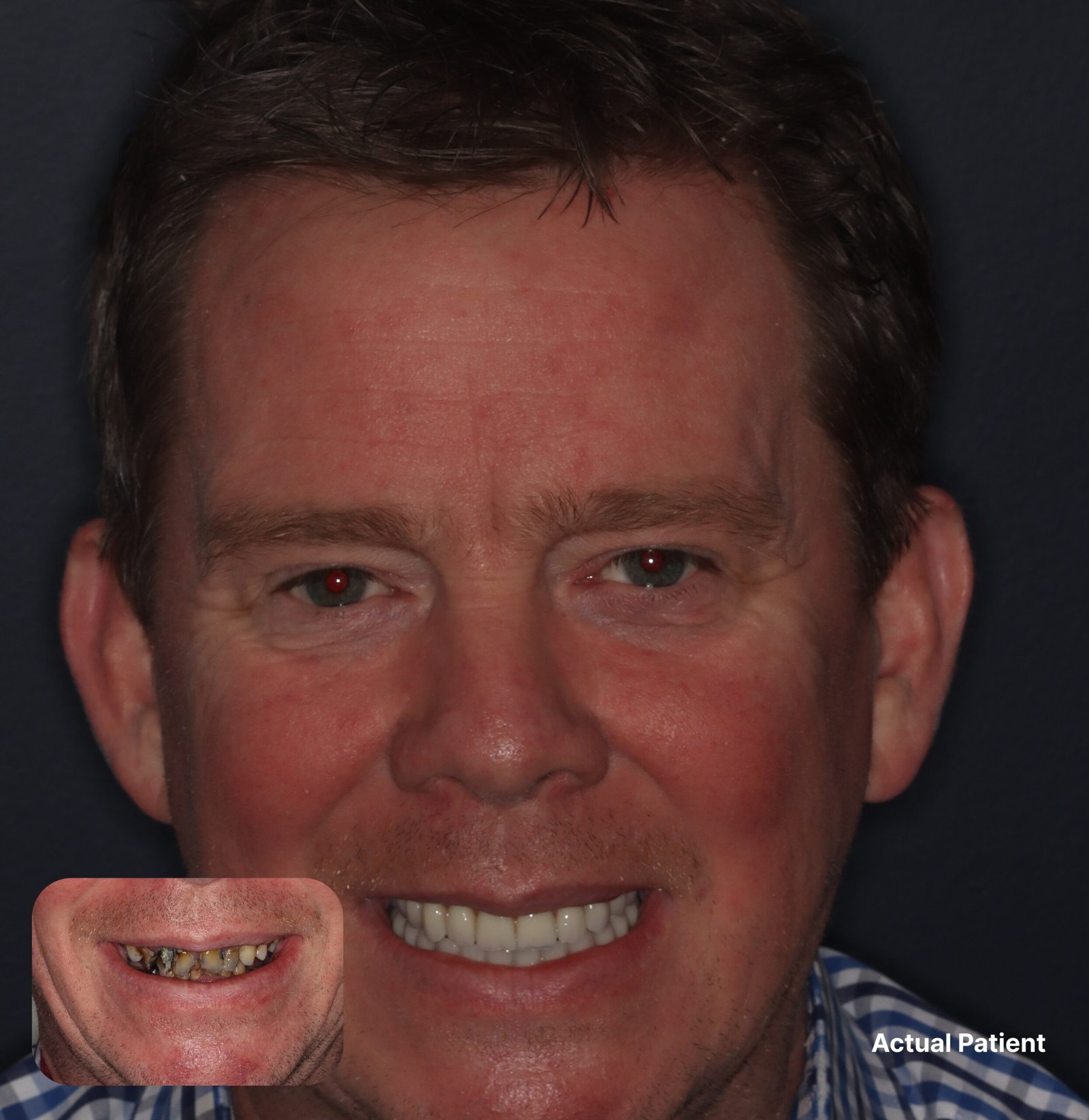
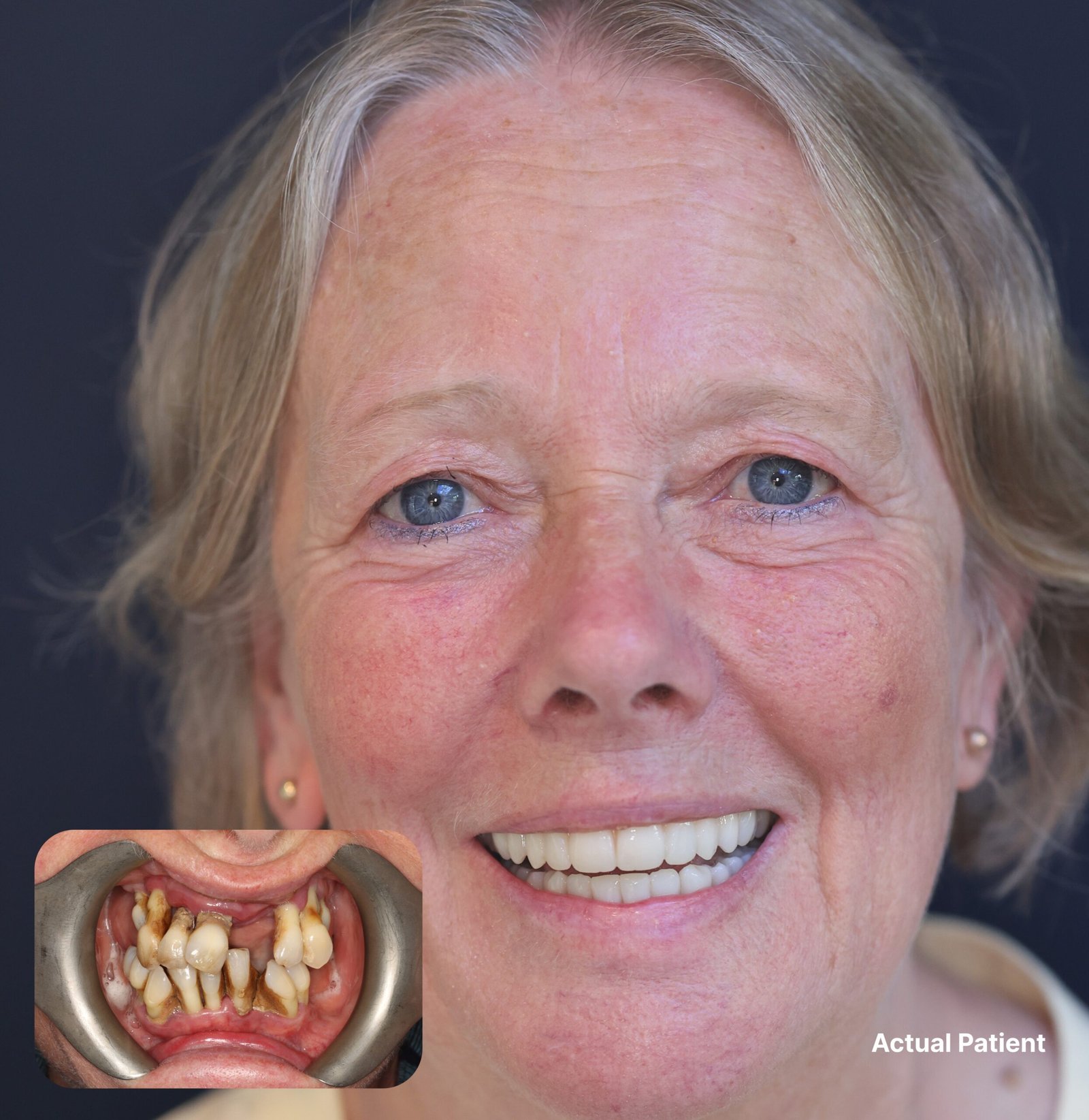
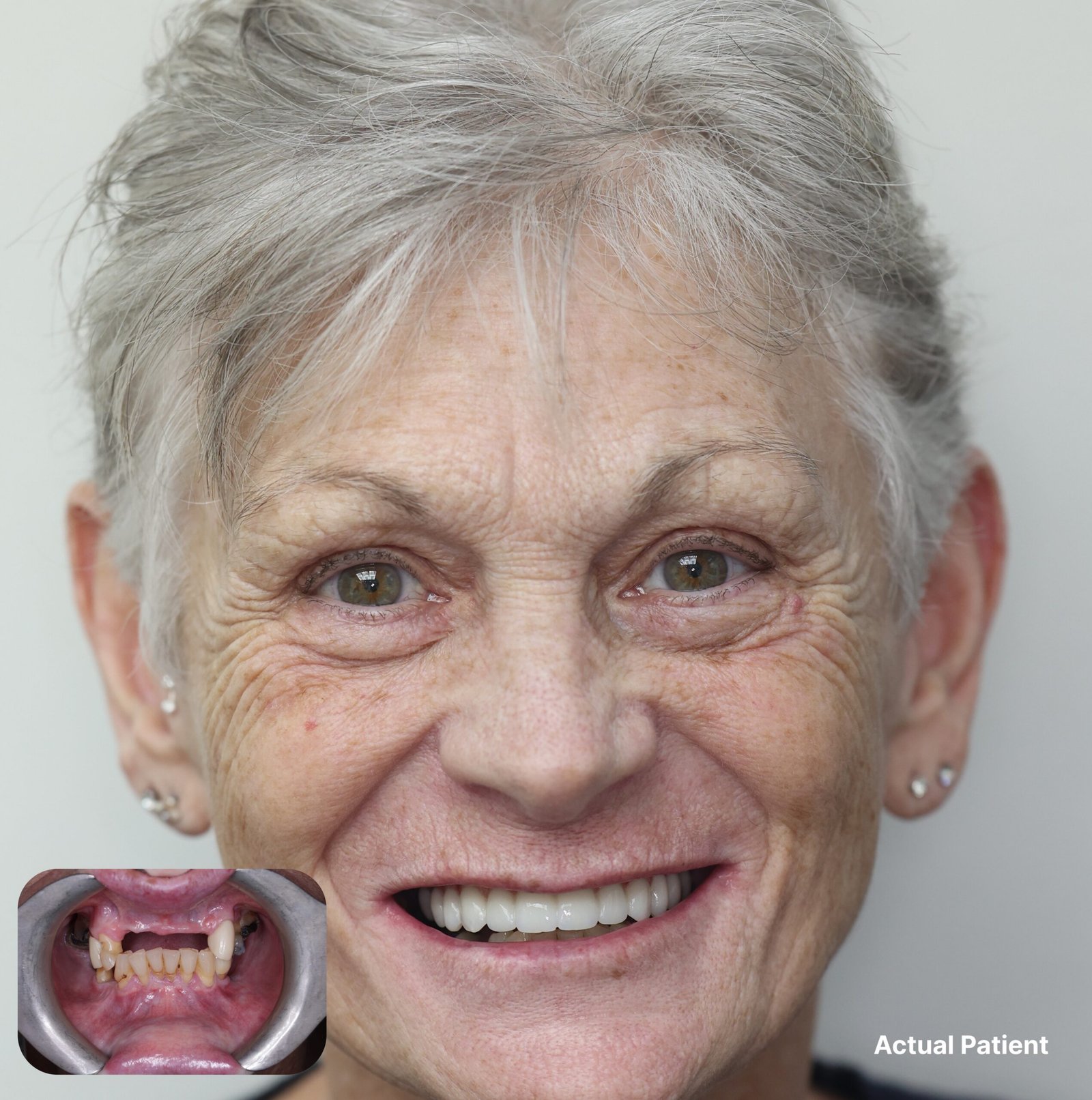
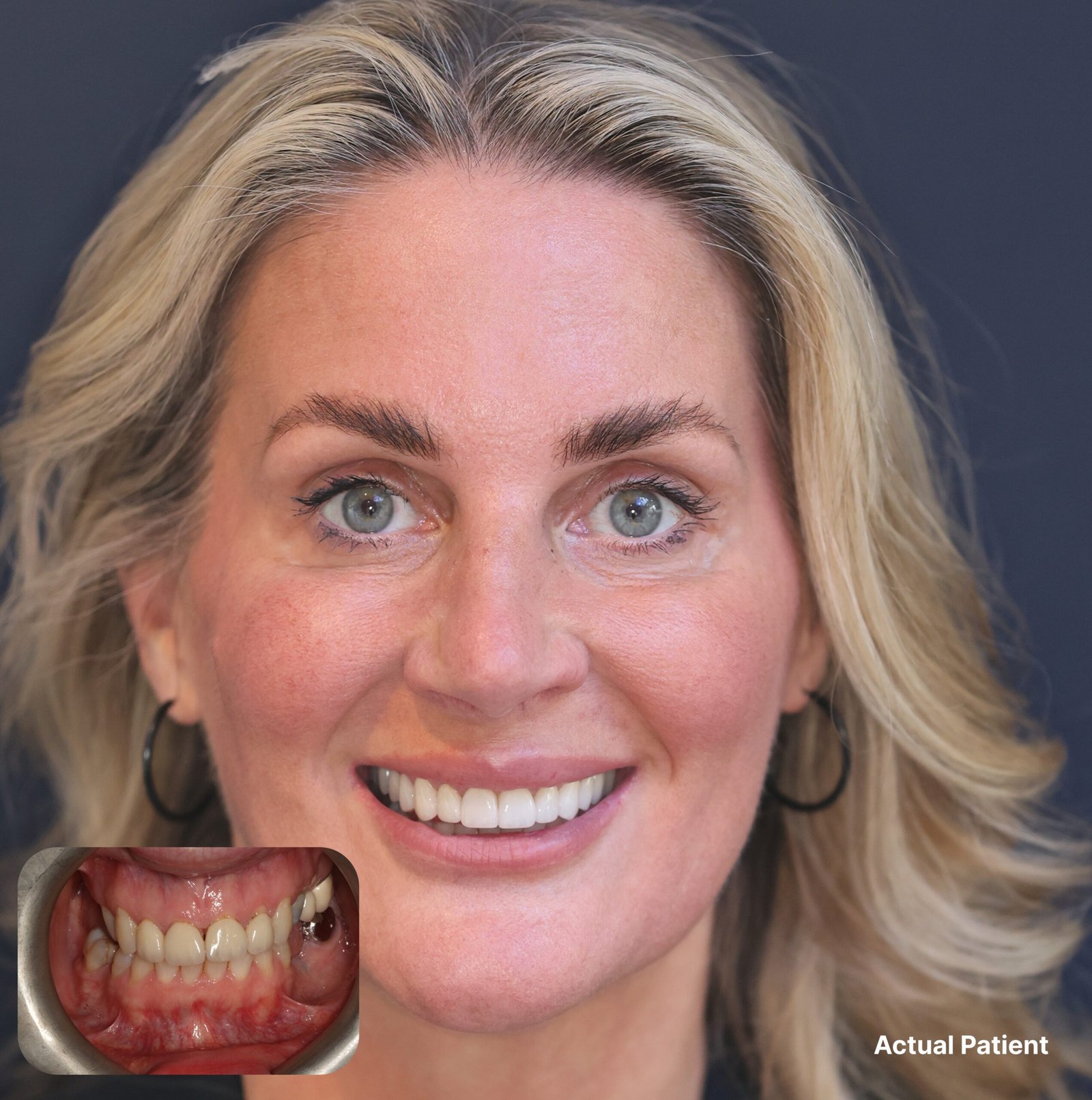
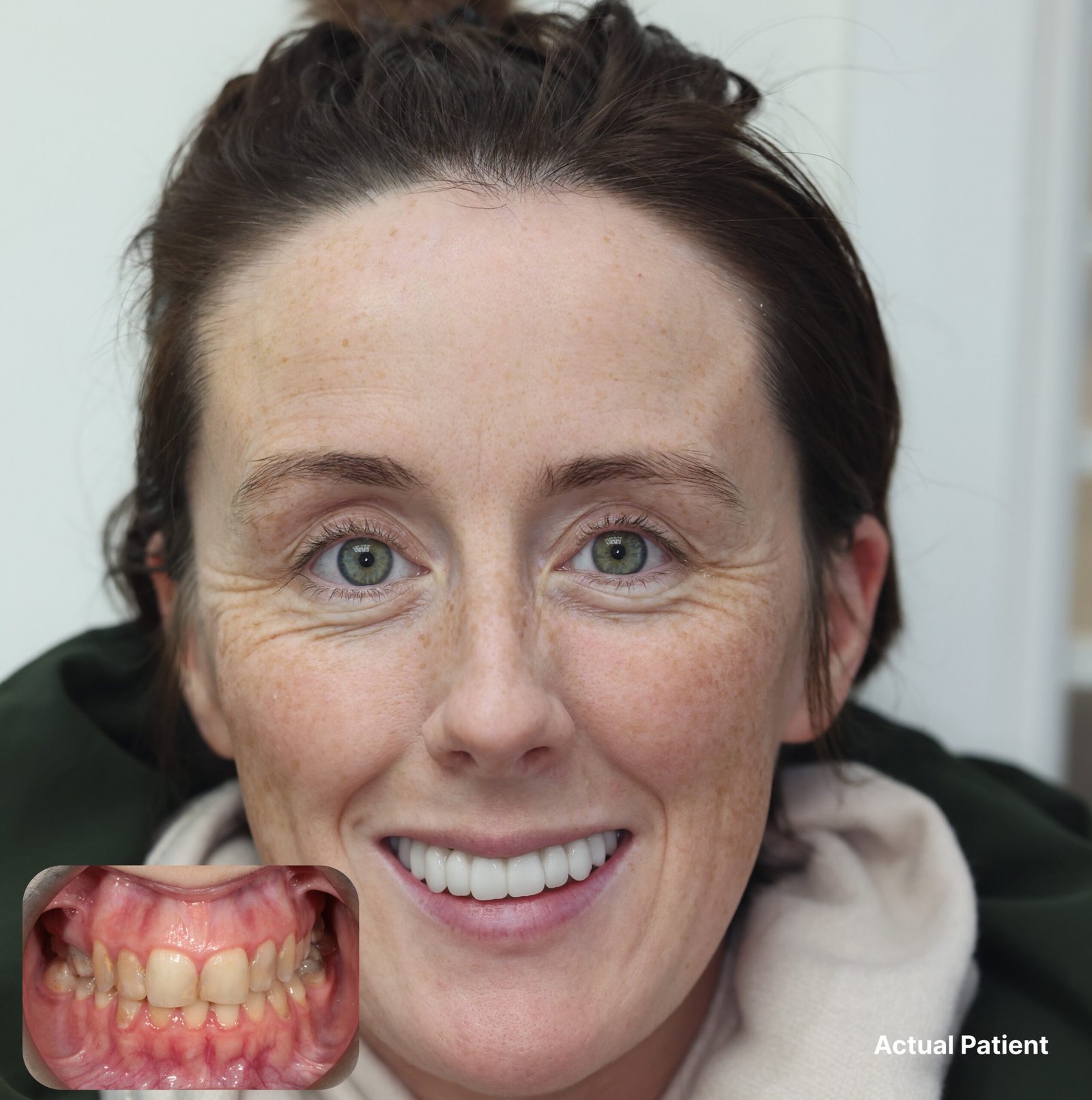
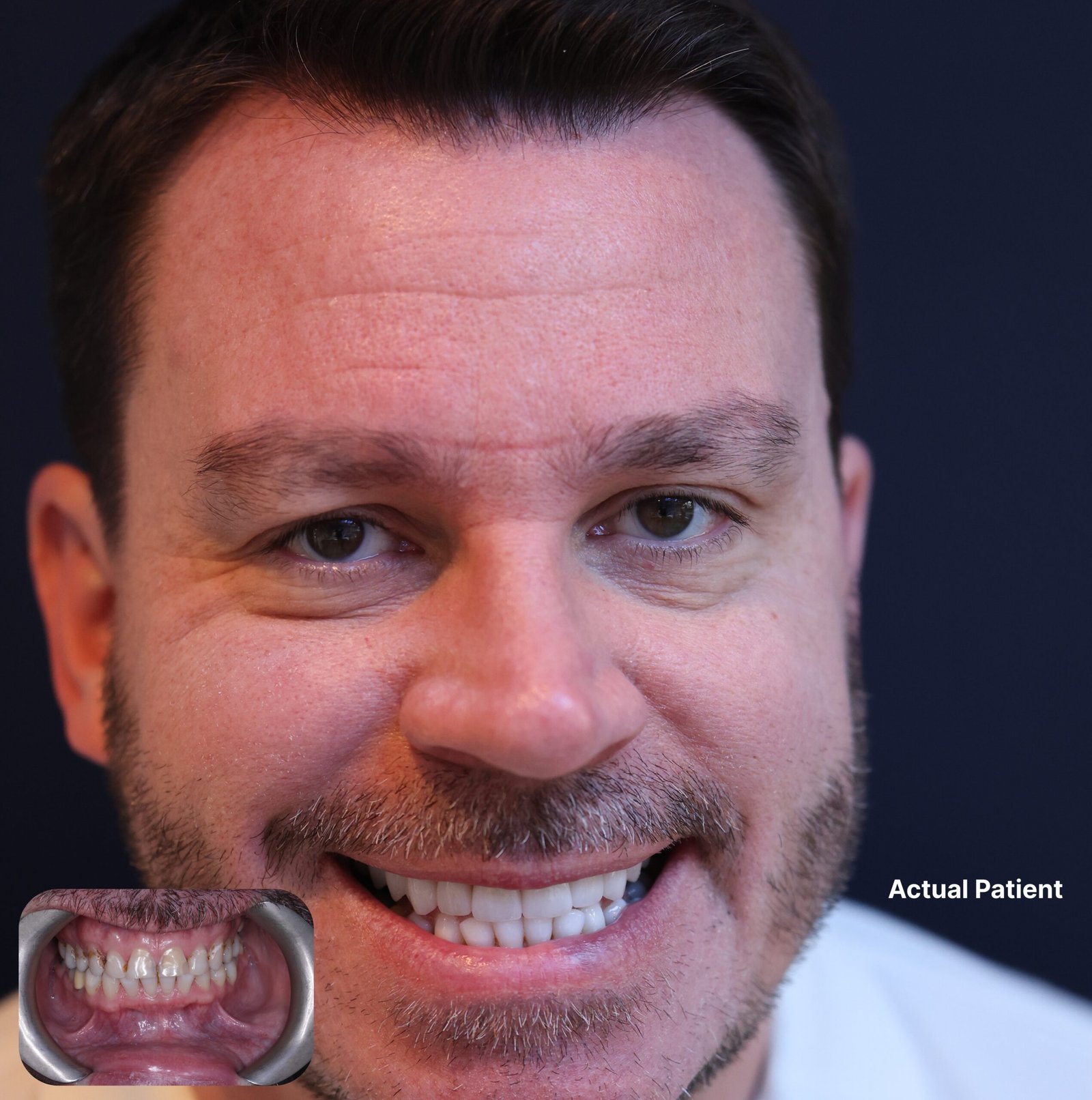
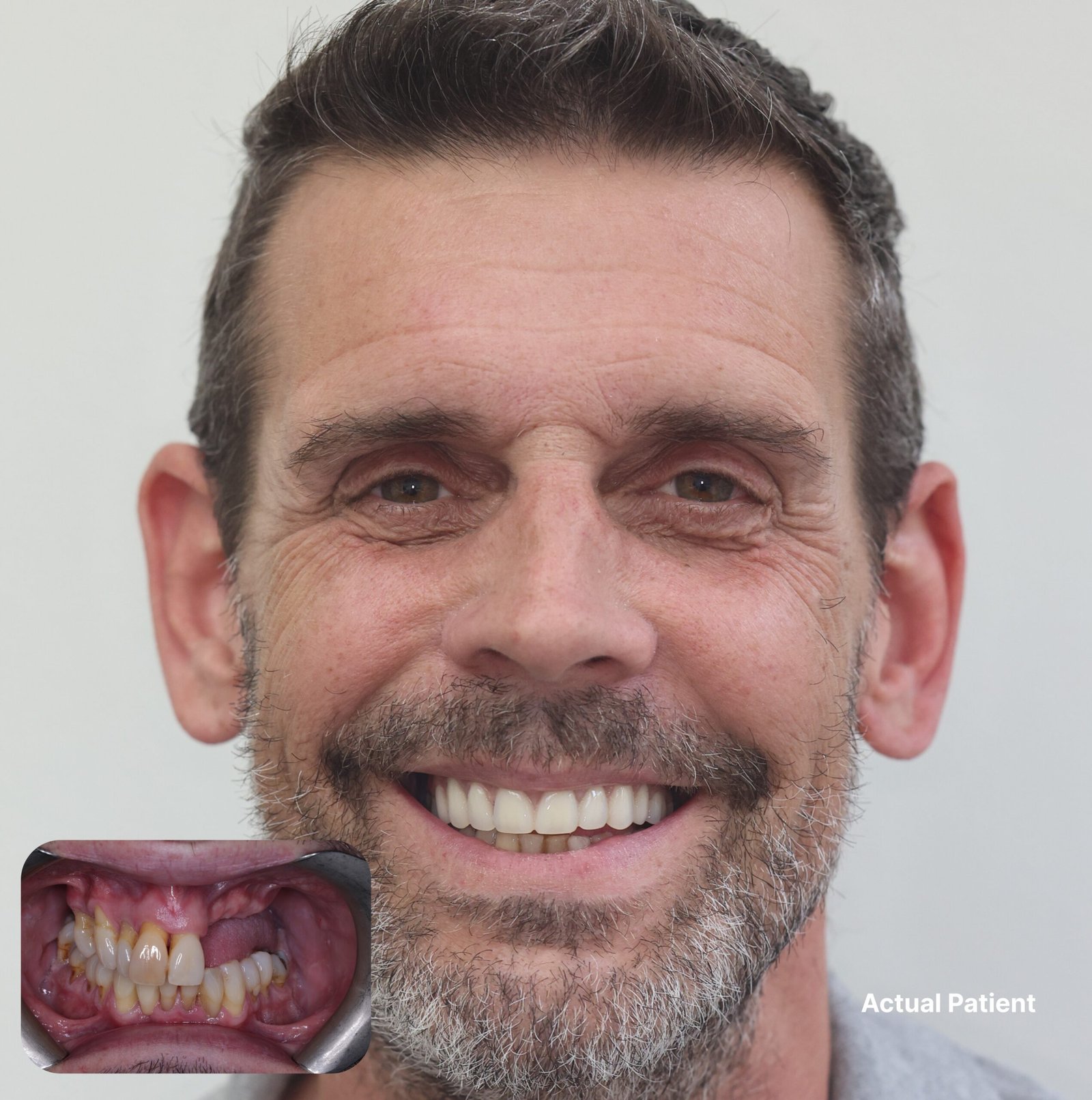
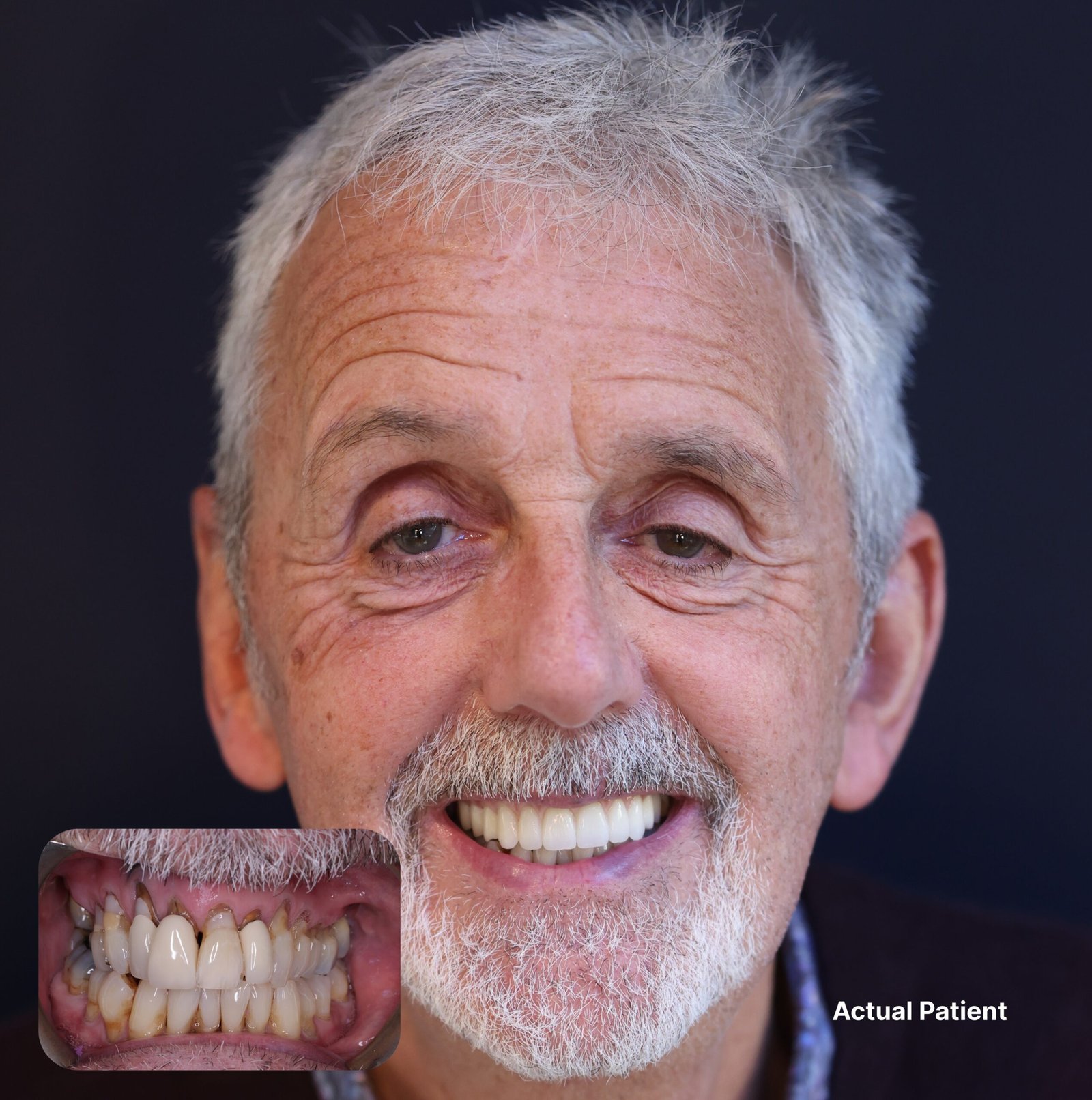
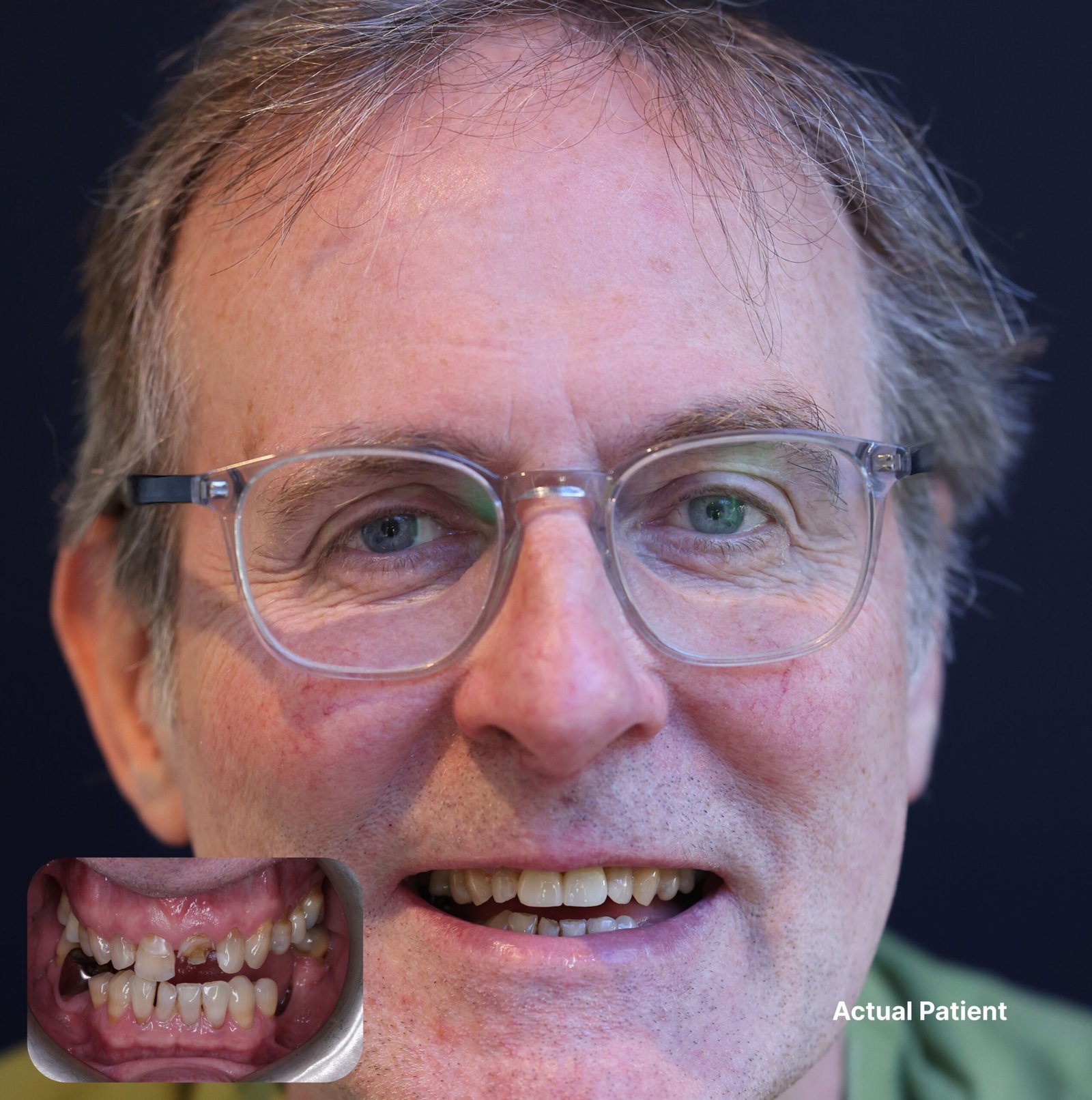
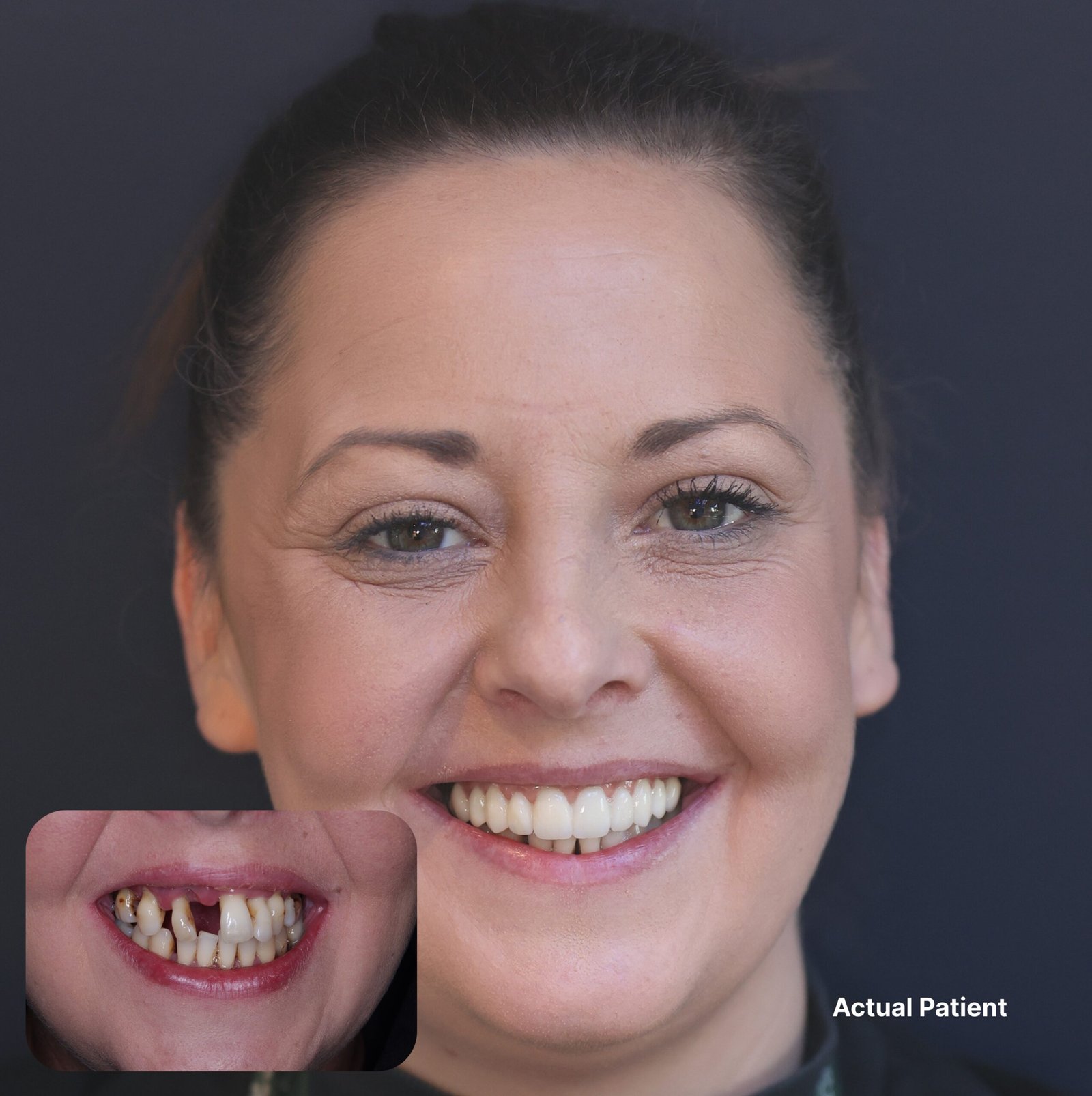
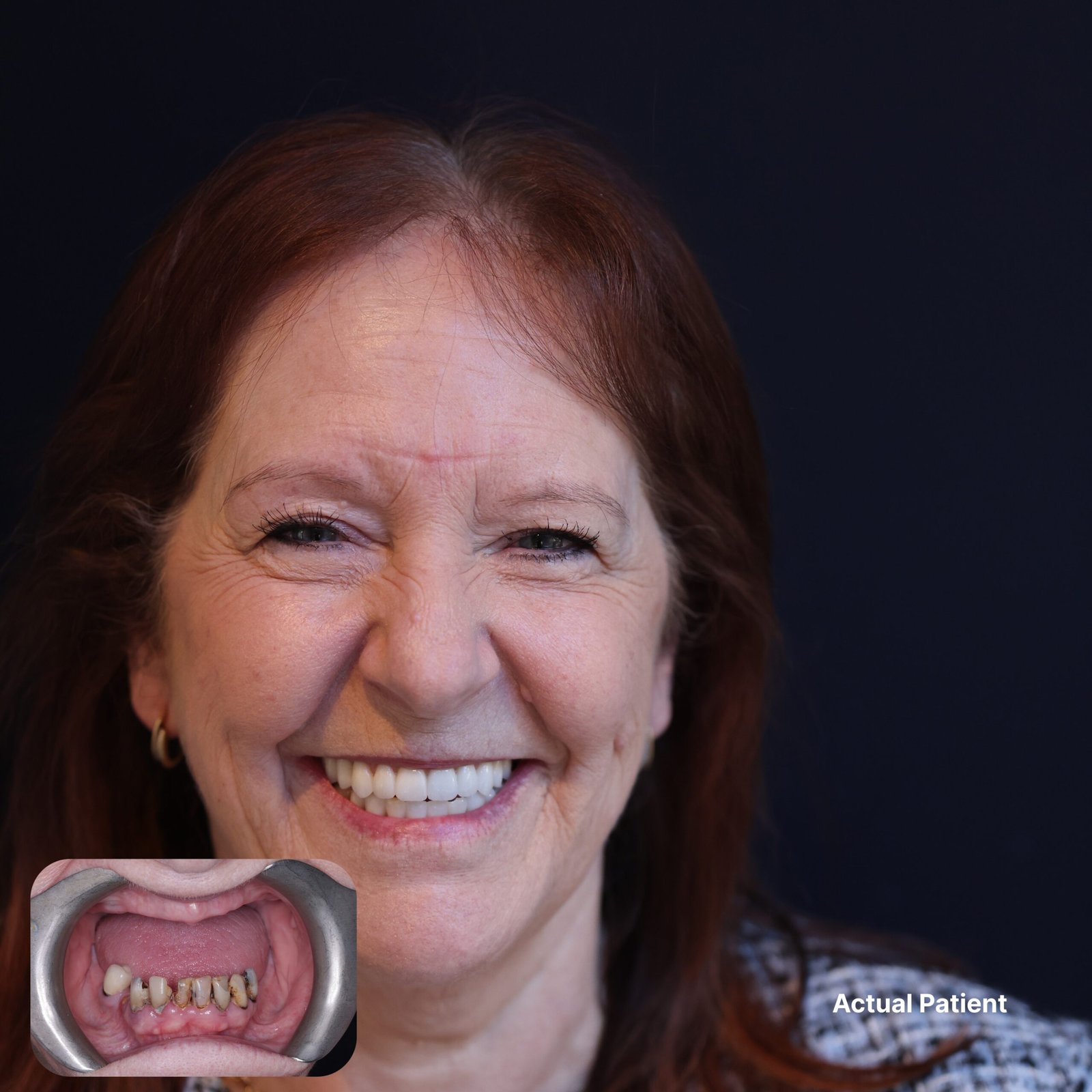
Be our Next Success Story!
Experience personalised dental care designed to help you achieve your dream smile.
We see patients from across Northwich and Cheshire
Our Witton Street practice welcomes implant bridge patients from across the region, including Hartford, Weaverham, Leftwich, Davenham, Sandiway, Rudheath, Kingsmead and Lostock Gralam, as well as from further afield across Cheshire and the wider North West.
If you are missing two or more adjacent teeth and are looking for a permanent, fixed solution in the Northwich area, we would be glad to welcome you for a free consultation.
Not sure where to begin? Give us a call.
Make an Enquiry
Meet your Dental Implant Clinician
Implant bridge treatment at Brunner Court is led by Dr Nikhil Oberai, a principal dentist holding an MSc in Implant Dentistry from the University of Manchester — one of the most respected implant programmes in the UK.
Dr Nikhil is an Honorary Clinical Teaching Fellow at the University of Manchester, a Key Opinion Leader for Osstem UK and lectures on implantology to dentists across the country. He has extensive experience in implant-supported restorations of all types and has mentored implant clinicians through the Cambridge Implant Academy and the University of Manchester MSc programme.
With a 99.5% implant success rate and over a decade of dedicated implant practice, you are in experienced, capable hands.
GDC: 150126
Spread the cost of your implant bridge
An implant bridge is a long-term investment in your dental health and we want the cost to feel manageable. Through our finance partner Tabeo, you can spread the cost into monthly payments with interest-free options available. The online application takes under five minutes with an instant decision.
Many patients combine Tabeo finance for their implant treatment with a Denplan membership plan for their ongoing preventive care, covering everything from a single predictable monthly outlay.
We're Welcoming New Patients
Brunner Court is open to new patients and we mean that warmly, not just as a formality. Whether you haven’t visited a dentist in a long time, you’re nervous, you’ve just moved to Northwich, or you’re simply ready for a practice that takes you seriously, we’d love to hear from you.
Your first appointment includes a thorough review of your teeth, gums and overall oral health. We’ll talk through any concerns, explain your options and put together a treatment plan if needed.
Dental MOT — just £79
"Dental implant treatment with Brunner Court — the expertise and professionalism were outstanding. Would not go anywhere else."
★★★★★ - CB | Brunner Court Dental & Implant Practice
- FAQs
Frequently asked questions about implant bridges in Northwich
At Brunner Court, implant bridges start from £3,500 for a three-tooth bridge. Your exact cost depends on the number of teeth being replaced and whether any preparatory treatment such as bone grafting is required. A full written cost breakdown is provided at your free consultation before any treatment begins. Finance is available through Tabeo with interest-free options.
A conventional bridge is anchored by crowning the natural teeth on either side of the gap, which requires permanently removing healthy tooth structure from those teeth. An implant bridge is anchored by implants placed directly into the jawbone, the neighbouring natural teeth are left completely untouched. An implant bridge also stimulates the bone beneath the gap to prevent resorption, which a conventional bridge does not.
An implant bridge typically requires two implants, one at each end of the gap, regardless of how many teeth the bridge replaces. The exact number may vary in more complex cases. Your clinician will confirm what is required at your free consultation following a full clinical assessment.
With proper care an implant bridge is designed to be a long-term or permanent restoration. The implants themselves are titanium and integrate with the jawbone, once fully integrated they are extremely durable. The bridge on top may need attention over time depending on wear and the forces placed on it. Regular check-ups and hygiene appointments are the most important factor in the long-term success of the restoration.
For most patients with healthy neighbouring teeth, yes. An implant bridge preserves the surrounding natural teeth, prevents bone loss beneath the gap and does not place additional load on the adjacent dentition. A conventional bridge requires permanent alteration of healthy teeth that may otherwise have a long natural lifespan. Your clinician will give an honest recommendation at your consultation based on your specific clinical situation.